


Blog
K2 vs Natural Cannabis: Chemical Differences You Need to Know
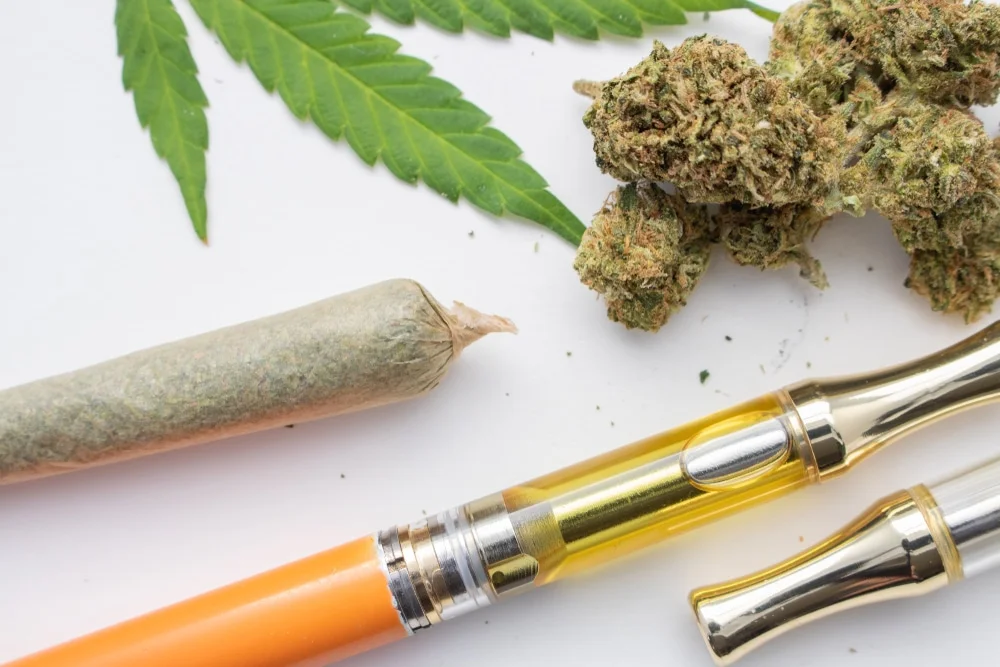
The Truth Most “Experts” Won’t Tell You About K2 vs Natural Cannabis
Agree: You’ve heard the horror stories, and you want real answers—not the watered-down version.
Promise: By the end of this guide, you’ll understand exactly what separates K2 from natural cannabis at the chemical level, why that difference has killed people, and how to spot misinformation that’s putting lives at risk.
Preview: We’ll break down the manufacturing process, reveal the seven most dangerous chemical differences, expose why “spice” is a moving target, and give you a clear framework for understanding synthetic cannabinoids.
Proof: In 2018–2019 alone, the CDC documented over 2,800 confirmed cases of severe bleeding and at least 64 deaths in Illinois alone linked to contaminated synthetic cannabinoids—one of many well-documented outbreaks that have shaped how toxicologists and emergency physicians now understand these compounds.
Key Takeaway: K2 isn’t “fake weed.” It’s a lab-synthesized chemical that hijacks the same brain receptors as cannabis but in a completely different—and often unpredictable—way.
What Is K2 (Spice) and Why It’s Not “Just Like Marijuana”
K2—also called Spice, Black Mamba, Kush, Kronic, or “synthetic marijuana”—is a misleading brand name that has cost lives. Despite what the packaging suggests, these products have no relationship to the cannabis plant beyond the fact that they target similar brain receptors.
The Core Misconception
The term “synthetic marijuana” is a marketing phrase designed to skirt drug laws. In reality, K2 is a category of designer drugs containing synthetic cannabinoids—human-made chemicals sprayed onto dried plant material. These chemicals are often developed in pharmaceutical or research labs, then modified to produce psychoactive effects stronger than THC.
According to the National Institute on Drug Abuse (NIDA), synthetic cannabinoids are part of a broader category called new psychoactive substances (NPS), and their chemical structures bear no botanical relationship to cannabis.
Pitfall Alert: If you’ve heard “K2 is just stronger weed,” you’ve been exposed to dangerous misinformation. The chemical differences below will show you why.
How K2 Is Made: The Chemical Manufacturing Process
Understanding the K2 spice manufacturing process is critical to grasping why these products are inherently dangerous.
Step 1: Lab Synthesis of Synthetic Cannabinoids
Synthetic cannabinoids are developed in clandestine laboratories, often overseas, with no quality control. Chemists alter the molecular structure of research compounds originally designed to study the endocannabinoid system.
Early synthetic cannabinoids were created in academic settings in the 1980s and 1990s. John W. Huffman, a Clemson University organic chemist, synthesized dozens of these compounds (including JWH-018, JWH-073, and JWH-200) for legitimate research into cannabinoid receptors. Unfortunately, underground chemists reverse-engineered his published formulas—giving rise to the first generation of “Spice” products that hit European markets around 2004.
Step 2: Mixing Active Chemicals with Cutting Agents
The synthetic cannabinoid powder is dissolved in a solvent like acetone or methanol, then sprayed onto dried plant material. Common base herbs include:
- Damiana (Turnera diffusa)
- Mullein (Verbascum thapsus)
- Marshmallow leaf
- Indian warrior (Pedicularis densiflora)
Step 3: Packaging and Distribution
The sprayed material is dried, crumbled, and packaged in flashy foil pouches with cartoon images and fruity flavors to appeal to younger buyers. Labeling is intentionally vague—”herbal incense,” “not for human consumption,” “potpourri”—to evade FDA and DEA regulations.
Expert Corner: In our experience reviewing seized product analyses, we’ve seen laboratory reports where a single 3-gram packet contained five different synthetic cannabinoids with zero dosage consistency. This is fundamentally different from regulated cannabis products, which must pass state-mandated potency testing.
7 Critical Chemical Differences: K2 vs Natural Cannabis
Now for the heart of the matter. Here are the seven chemical differences that matter most.
1. Origin: Plant-Derived vs Laboratory-Synthesized
Natural cannabis contains over 100 cannabinoids produced by the Cannabis sativa plant. The most prominent are:
- THC (Δ9-tetrahydrocannabinol) – the primary psychoactive compound
- CBD (cannabidiol) – non-intoxicating, may counteract some THC effects
- CBG, CBN, THCV – minor cannabinoids with unique properties
These compounds work synergistically in what’s called the “entourage effect”—a 2011 study by Dr. Ethan Russo published in the British Journal of Pharmacology showed that whole-plant cannabis produces different therapeutic effects than isolated THC alone.
K2 contains zero cannabis plant material with cannabinoids. It contains fully synthetic chemicals designed in a lab to mimic THC’s binding affinity at the CB1 receptor.
2. Receptor Binding: Full Agonist vs Partial Agonist
This is arguably the most critical difference.
- THC is a partial agonist at the CB1 receptor. It activates the receptor but doesn’t maximize its response. The receptor has a built-in “ceiling” with THC.
- Many synthetic cannabinoids (especially older generations like JWH-018) are full agonists. They fully activate the receptor with no ceiling effect, leading to dramatically more intense—and often toxic—responses.
A landmark 2016 study published in the New England Journal of Medicine found that AMB-FUBINACA—the synthetic cannabinoid linked to the 2016 “Zombie Outbreak” in New York City—has up to 85 times greater potency than THC in receptor activation.
Key Takeaway: A “full agonist” doesn’t just mean “stronger.” It means the body has no off-switch for the reaction. This is why overdoses are far more common with K2 than with cannabis.
3. Chemical Structure: 21 Carbons vs 20–26 Carbons
Both THC and synthetic cannabinoids share a basic three-ring structure, but their side chains and functional groups differ dramatically.
Synthetic cannabinoids often have:
- Longer alkyl side chains (5–8 carbons vs THC’s 5-carbon chain)
- Halogen atoms (fluorine, chlorine, bromine) that alter receptor binding
- Naphthoylindole, benzoylindole, or adamantoylindole cores—structures never found in nature
These structural modifications create molecules that fit the CB1 receptor differently, producing effects that go far beyond cannabis’s typical response.
4. The “Moving Target” Problem
Cannabis chemistry is relatively stable. A strain labeled “OG Kush” will produce predictable cannabinoid ratios.
K2 chemistry is the opposite of stable. As soon as a synthetic cannabinoid is scheduled by the DEA, underground chemists synthesize a new analog.
According to the European Monitoring Centre for Drugs and Drug Addiction (EMCDDA), more than 250 different synthetic cannabinoids have been identified since 2008, with new variants appearing every few months.
Pitfall Alert: Even if you’ve used K2 before without incident, the same product bought today could contain an entirely different—and potentially lethal—compound.
5. Presence of Harmful Additives and Contaminants
Regulated cannabis undergoes lab testing for pesticides, heavy metals, molds, and microbials. K2 products are tested by no one.
Common contaminants in K2 include:
- Brodifacoum – a long-acting anticoagulant rodenticide responsible for the 2018 Illinois outbreak that caused severe bleeding
- Heavy metals from the synthesis process
- Residual solvents like acetone and methanol
- Cutting agents that increase bulk weight
In the 2018 Illinois outbreak, the CDC confirmed that brodifacoum-contaminated synthetic cannabinoids caused 64 deaths and over 2,800 emergency room visits—a stark reminder that you have no idea what’s actually in any given K2 product.
6. Metabolism and Duration of Effects
| Factor | Natural Cannabis | K2 / Synthetic Cannabinoids |
|---|---|---|
| Onset | 10–30 minutes (smoked) | 5–15 minutes |
| Duration | 1–6 hours | 1–8 hours (highly variable) |
| Metabolites | THC-COOH (relatively inert) | Many active metabolites with unknown toxicity |
| Detection window | Days to weeks | Variable; some metabolites undetectable by standard drug tests |
One particularly dangerous property: many synthetic cannabinoids are prodrugs—meaning they only become active after liver metabolism. This delayed activation makes dosing unpredictable and contributes to overdose.
7. Effect Profile: Predictable vs Chaotic
Natural cannabis typically produces effects within a well-understood range:
- Euphoria, relaxation, altered perception, increased appetite
- Negative effects: anxiety, paranoia, short-term memory impairment (dose-dependent)
K2 can produce effects never seen with cannabis:
- Severe psychosis and hallucinations
- Seizures and convulsions
- Hyperthermia (dangerously elevated body temperature)
- Cardiac arrhythmias and heart attacks
- Acute kidney injury
- Catatonic “zombie-like” states (documented in multiple outbreaks)
- Suicidal ideation and violent behavior
Expert Corner: A 2017 review in the Journal of Addiction Medicine found that psychiatric symptoms from synthetic cannabinoids are reported at roughly 3–4 times the rate of natural cannabis, with emergency department presentations increasing dramatically in communities where K2 use is prevalent.
Common Types of Synthetic Cannabinoids
Understanding the major chemical families helps make sense of why K2 products vary so widely.
First Generation: Naphthoylindoles
- JWH-018, JWH-073, JWH-200
- Created by Dr. Huffman for research; first wave of “Spice” products
- Scheduled by DEA in 2010–2011
Second Generation: Adamantoylindoles
- AM-2201, AM-694
- Higher potency, longer-lasting effects
- Replaced first-gen compounds after bans
Third Generation: Indazole Carboxamides
- AB-PINACA, AB-FUBINACA, ADB-FUBINACA, 5F-ADB
- Currently the most prevalent class in seized samples
- Linked to the 2016 NYC “Zombie” outbreak
Fourth Generation: Emerging Hybrid Structures
- CUMYL-PEGACLONE, 5F-CUMYL-PICA, MDMB-4en-PINACA
- Newest variants, often 40–100x more potent than THC
- Constantly evolving to outpace regulations
According to the DEA’s National Forensic Laboratory Information System (NFLIS), indazole carboxamides now account for the majority of synthetic cannabinoid identifications in the United States.
Frequently Asked Questions
What chemicals are in K2 Spice?
K2 typically contains synthetic cannabinoids like JWH-018, AM-2201, AB-PINACA, or 5F-ADB dissolved in a solvent and sprayed onto dried plant material. The exact chemicals vary by batch, and contaminants like brodifacoum have been found in some products.
Is K2 stronger than marijuana?
Yes—and that’s a major problem. Many synthetic cannabinoids are full agonists at the CB1 receptor, while THC is only a partial agonist. Some K2 compounds are 40–100x more potent at the receptor level, but because they’re so unpredictable, “stronger” actually translates to “more dangerous.”
Why is K2 more dangerous than cannabis?
Three main reasons: (1) full receptor activation with no ceiling effect, (2) constantly changing chemical formulas with no safety testing, and (3) contaminants like rat poison, heavy metals, and unknown cutting agents.
Can you overdose on K2?
Yes. Synthetic cannabinoid overdose is a recognized medical emergency, causing seizures, cardiac arrest, kidney failure, psychotic episodes, and death. Cannabis, by contrast, has never been documented to cause a fatal overdose.
How is K2 made?
Synthetic cannabinoids are synthesized in clandestine labs, dissolved in solvents, sprayed onto dried herbs, dried again, and packaged as “herbal incense” or “potpourri” to evade regulation.
Is K2 detectable on a standard drug test?
Standard 5-panel and 10-panel drug tests do not detect most synthetic cannabinoids. Specialized testing is required, which is one reason K2 remains popular in prisons, workplaces, and military settings.
Are all synthetic cannabinoids illegal?
Many are, but the legal landscape is a game of whack-a-mole. As soon as one compound is scheduled, chemists create a new structural analog. The DEA has used emergency scheduling authority to ban multiple generations, but new variants appear faster than legislation can keep up.
Key Differences at a Glance
| Chemical Factor | Natural Cannabis | K2 / Spice |
|---|---|---|
| Source | Plant (Cannabis sativa) | Lab-synthesized chemicals |
| Cannabinoid count | 100+ natural cannabinoids | 1–5 synthetic compounds (varies) |
| Receptor activity | Partial agonist (THC) | Often full agonist |
| Potency vs THC | 1x baseline | Up to 100x in some analogs |
| Quality control | State-regulated testing | None |
| Contaminants | Tested and limited | Common (brodifacoum, metals) |
| Fatal overdose risk | Zero documented | Documented in multiple studies |
| Drug detection | Days–weeks | Often undetectable |
The Bottom Line: Why This Information Matters
The K2 vs natural cannabis question isn’t academic. Every year, thousands of emergency room visits, hundreds of seizures, and dozens of deaths are linked directly to synthetic cannabinoid use. The people most often affected are young, vulnerable, and looking for a “legal high” that they don’t realize is genuinely dangerous.
Natural cannabis has been used for thousands of years and studied extensively in modern medicine. K2 has been around for less than 25 years, and the scientific consensus is clear: synthetic cannabinoids are categorically more dangerous than the compounds they’re trying to mimic.
Final Key Takeaway: The difference between K2 and cannabis isn’t just chemical—it’s the difference between a plant with thousands of years of human experience and a constantly mutating lab chemical with zero quality control and a body count.
If you or someone you know is struggling with substance use, contact the SAMHSA National Helpline at 1-800-662-4357 for confidential, free support 24/7.
Suggested Internal Links
- “Cannabis 101: A Beginner’s Guide to THC, CBD, and the Endocannabinoid System” — place in the receptor binding section to give readers foundational knowledge.
- “Signs of Substance Abuse: Recognizing the Warning Signs” — add at the end of the FAQ section for parents and guardians.
- “Drug Scheduling Explained: How the DEA Classifies Controlled Substances” — include within the “Moving Target” section to provide context on legal status.
- National Institute on Drug Abuse (NIDA): drugabuse.gov/publications/drugfacts/synthetic-cannabinoids
- CDC Outbreak Reports: cdc.gov/mmwr (search “synthetic cannabinoid outbreaks”)
- European Monitoring Centre for Drugs and Drug Addiction (EMCDDA): emcdda.europa.eu/topics/pods/synthetic-cannabinoids