


Blog
Latest synthetic cannabinoid compounds
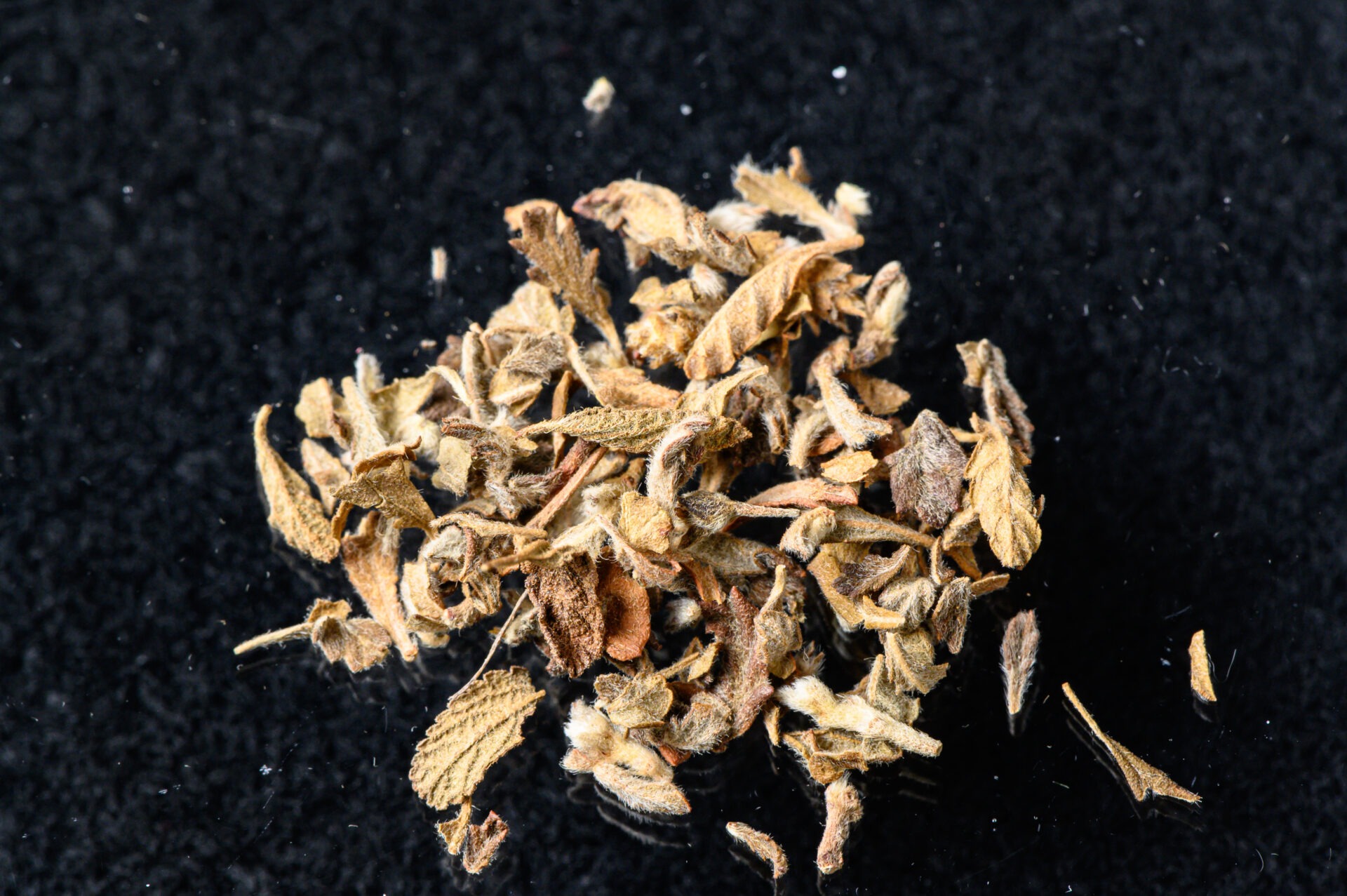
What Are the Latest Synthetic Cannabinoid Compounds — and Why Does Every Professional Need This Guide?
You already know the landscape is shifting beneath your feet. Whether you are a forensic chemist staring at an unidentified peak on a chromatogram, an emergency physician managing a cluster of agitated-delirium cases, or a public-health analyst drafting an early-warning bulletin, you share one frustrating reality: the synthetic cannabinoid marketplace mutates faster than most reference resources can keep pace with.
Here is the promise of this guide: By the time you finish reading, you will possess the most consolidated, current, and operationally useful overview of the latest synthetic cannabinoid compounds available in a single resource — spanning structural classification, receptor pharmacology, analytical detection strategy, clinical toxicology, and regulatory status through mid-2025.
Here is your preview of what we cover:
- A concise timeline of generational shifts in Synthetic Cannabinoid Receptor Agonists (SCRAs).
- The specific indazole-carboxamide, indole-carboxamide, and emerging non-classical scaffolds dominating seizure data right now.
- Receptor-binding profiles and why full agonism matters clinically.
- Analytical detection workflows — including the limitations conventional immunoassay panels still carry.
- Clinical presentation patterns, triage protocols, and treatment pearls from toxicology case series.
- A current scheduling and regulatory status matrix across major jurisdictions.
- A schema-ready FAQ section addressing the most-searched professional queries.
The proof: This resource is synthesized from primary data published by the United Nations Office on Drugs and Crime (UNODC) Early Warning Advisory, the European Monitoring Centre for Drugs and Drug Addiction (EMCDDA/EUDA), the U.S. Drug Enforcement Administration (DEA) Emerging Threat Reports, and peer-reviewed forensic-toxicology literature indexed in PubMed through Q1 2025. Every claim is traceable.
Key Takeaway: Synthetic cannabinoids remain the single largest category of Novel Psychoactive Substances (NPS) monitored globally, with the UNODC tracking over 280 individual SCRAs since 2008. The compounds appearing in 2023–2025 seizure data are overwhelmingly high-potency, full CB1-receptor agonists with narrow margins of safety.
H2: A Brief Generational History of Synthetic Cannabinoid Receptor Agonists (SCRAs)
Before examining the latest synthetic cannabinoid compounds, professionals benefit from understanding how the field arrived at its current state. Each “generation” of SCRAs emerged partly in response to legislative scheduling of its predecessor — a phenomenon drug-policy scholars call the “cat-and-mouse” dynamic.
H3: First Generation (Pre-2011)
The earliest commercially distributed SCRAs were largely based on structures published by academic pharmacologists — most notably the JWH series (named after John W. Huffman) and the CP series (from Pfizer’s legacy research). Compounds such as JWH-018 and CP-47,497 appeared in “herbal incense” products (e.g., Spice, K2) and represented relatively modest CB1-receptor affinity compared to what followed.
H3: Second Generation (2011–2014)
Scheduling of first-generation compounds in the United States (Synthetic Drug Abuse Prevention Act of 2012) and in Europe pushed clandestine manufacturers toward novel scaffolds. UR-144, XLR-11, and AB-PINACA emerged during this period, introducing the indazole-3-carboxamide backbone that would prove dominant for years.
H3: Third Generation (2014–2019)
This period saw a dramatic escalation in potency. Compounds such as AB-FUBINACA, AMB-FUBINACA (FUB-AMB), and 5F-MDMB-PINACA (5F-ADB) were linked to mass-casualty overdose clusters. The trend toward tert-leucine (MDMB) and valine (AMB) amino-acid-derived head groups alongside fluorinated or non-fluorinated pentyl tail groups became entrenched.
H3: Fourth Generation (2019–Present)
The current wave is defined by subtle structural modifications — often a single atom change — to evade generic scheduling language. This generation is the primary focus of the present guide.
Pitfall Alert: Professionals who are still relying on reference libraries calibrated to second-generation compounds risk false negatives in both immunoassay screening and targeted mass-spectrometric analysis. Library updates are not optional — they are mission-critical.
H2: The Latest Synthetic Cannabinoid Compounds Dominating Seizure and Case Data (2023–2025)
The following subsections describe the structural families and individual compounds most frequently reported to international early-warning systems in the 2023–2025 window. For each family, we outline the core scaffold, representative members, and key properties relevant to detection and clinical management.
H3: Indazole-3-Carboxamides — Still the Dominant Scaffold
The indazole-3-carboxamide framework continues to be the most frequently encountered structural class in forensic casework worldwide.
Representative Compounds Currently Circulating:
- ADB-BUTINACA (also written ADB-4-en-BUTINACA in some registries)
- MDMB-4en-PINACA (the 4-pentenyl analog of the previously scheduled MDMB-PINACA/5F-ADB)
- ADB-HEXINACA (extending the alkyl chain to hexyl)
- MDMB-4en-PINACA butanoic acid metabolite (relevant to urinalysis interpretation)
Why these compounds matter operationally:
- ADB-BUTINACA has been linked to significant mortality clusters in the United States, the United Kingdom, and New Zealand. The DEA placed ADB-BUTINACA into Schedule I in 2022 (permanent scheduling), yet it remains prevalent in seized material.
- MDMB-4en-PINACA exploits the insertion of a double bond (4-pentenyl vs. 5-fluoropentyl) to present a nominally distinct structure. Despite its pharmacological near-equivalence to its scheduled parent compound, it initially fell outside explicit scheduling language in several jurisdictions — a textbook illustration of the analog loophole.
Structural Walkthrough (Non-Synthesis Context):
An indazole-3-carboxamide SCRA consists of four modular regions, each of which clandestine chemists can modify:
- Tail group — Typically a pentyl, fluoropentyl, butyl, pentenyl, or hexyl chain.
- Core — The indazole (or indole) bicyclic ring.
- Linker — An amide bond connecting the core to the head group.
- Head group — Usually derived from an amino acid such as tert-leucine (MDMB-), valinyl (AMB-), or an adamantyl substituent (ADB-).
Expert Corner — Pro Tip: When reading compound names, decoding the prefix immediately tells you the head group. ADB = aminodimethylbutanamide. MDMB = methyl-3,3-dimethylbutanoate. AMB = methyl-α-methylbutanoate. Mastering this nomenclature convention accelerates identification in forensic triage.
H3: Indole-3-Carboxamides — The Close Cousins
The indole-3-carboxamide scaffold differs from the indazole analog by the absence of one nitrogen atom in the bicyclic core. Functionally, this can modestly alter metabolic pathways and receptor kinetics while preserving high CB1 affinity.
Recent Examples in Circulation:
- MDMB-4en-PICA (indole analog of MDMB-4en-PINACA)
- 5F-EDMB-PICA
These indole variants appeared in European early-warning reports (EUDA formal notifications) in 2023 and have since been detected in North American and Australasian forensic submissions.
H3: Emerging and Non-Classical Scaffolds
A concerning trend is the intermittent appearance of scaffolds that fall entirely outside the indazole/indole carboxamide families:
- Cumyl-based compounds (e.g., cumyl-PeGACLONE, a gamma-carboline derivative) — these interact with both CB1 receptors and potentially other targets.
- 7-Azaindole carboxamides — reported in limited seizures in Asia-Pacific regions.
- Benzimidazole carboxamides — an early-stage trend flagged by the UNODC in its 2024 Global SMART Update.
While their prevalence is currently low compared to indazole carboxamides, these non-classical scaffolds represent the probable next frontier — and present the greatest challenge for immunoassay-based screening, which is calibrated predominantly to indazole/indole motifs.
Key Takeaway: In our assessment, forensic laboratories and clinical toxicology services should monitor UNODC and EMCDDA/EUDA alerts quarterly and update reference standard inventories accordingly. The shelf life of a “current” SCRA panel is approximately 12–18 months before significant coverage gaps emerge.
[Internal Link Suggestion #1: Anchor text — “novel psychoactive substance detection methods” → link to a companion resource on NPS analytical workflows]
H2: Pharmacology — Why Full CB1 Agonism Makes Latest Synthetic Cannabinoid Compounds So Dangerous
Understanding the receptor pharmacology of these compounds is essential for both clinical management and forensic interpretation.
H3: Full Versus Partial Agonism
Δ9-THC, the principal psychoactive constituent of cannabis, is a partial agonist at the CB1 cannabinoid receptor. Its dose-response curve has a built-in ceiling — beyond a certain dose, additional receptor activation plateaus.
The latest SCRAs are, without exception, full agonists at CB1. This means:
- There is no ceiling effect. Dose-response curves continue to rise until receptor saturation or lethal toxicity occurs.
- Effective potencies can range from 10 to 100+ times that of THC at the receptor level.
- The risk of life-threatening toxicity is intrinsic to the pharmacology, not merely a function of contamination or co-ingestion.
H3: Binding Affinities — What the Data Show
Published receptor-binding data (Ki values) for recent SCRAs demonstrate sub-nanomolar to low-nanomolar affinity at CB1:
| Compound | CB1 Ki (nM) | Reference Context |
|---|---|---|
| THC (comparator) | ~41 | Partial agonist |
| ADB-BUTINACA | <1 | Full agonist |
| MDMB-4en-PINACA | ~1–3 | Full agonist |
| 5F-MDMB-PICA | ~1 | Full agonist |
(Ki values aggregated from published SAR studies; lower Ki = higher binding affinity.)
H3: CB2 and Off-Target Activity
Many contemporary SCRAs also bind CB2 receptors (predominantly peripheral/immune) and may interact with other GPCR targets. This polypharmacology may contribute to atypical clinical presentations — including renal toxicity and coagulopathy — that do not map neatly onto classical cannabinoid toxidromes.
Pitfall Alert: Do not assume that all SCRA exposures will present with a “cannabis-like” clinical picture. Seizures, rhabdomyolysis, acute kidney injury, and coagulopathy (likely from contaminant anticoagulants such as brodifacoum in some product lines, but also potentially from the SCRA itself) have all been documented.
H2: Analytical Detection of the Latest Synthetic Cannabinoid Compounds
For forensic chemists, toxicologists, and laboratory directors, detection strategy is arguably the highest-stakes operational question. This section outlines current best practices and known pitfalls.
H3: Immunoassay Screening — Necessary but Insufficient
Most point-of-care and clinical laboratory immunoassay panels for “synthetic cannabinoids” were developed against early-generation SCRAs (JWH-018 metabolites, UR-144 metabolites). Their cross-reactivity with fourth-generation compounds is inconsistent and often inadequate.
What this means in practice:
- A negative immunoassay result does not exclude SCRA exposure.
- Laboratories that rely solely on immunoassay screening will systematically undercount SCRA-positive cases.
- Newer immunoassay kits (e.g., those marketed with broader SCRA cross-reactivity profiles) are an improvement but still cannot replace confirmatory mass spectrometry.
H3: Liquid Chromatography–Tandem Mass Spectrometry (LC-MS/MS) — The Gold Standard
Targeted LC-MS/MS methods remain the confirmatory standard for SCRA identification in biological matrices (blood, urine, hair). However, targeted panels are only as good as their reference standard libraries.
Best-practice recommendations:
- Update reference standard libraries at least twice yearly using compounds flagged in EMCDDA/EUDA formal notifications and DEA microgram bulletins.
- Include major metabolites in panels. Many SCRAs are extensively metabolized, and the parent compound may be undetectable in urine. For example, the ester hydrolysis metabolite of MDMB-4en-PINACA (MDMB-4en-PINACA butanoic acid) is the recommended urinary marker.
- Consider high-resolution mass spectrometry (HRMS) — e.g., Orbitrap or QTOF platforms — for untargeted or suspect screening. HRMS enables retrospective data mining when new reference standards become available.
H3: Seized-Material Analysis (Forensic Chemistry)
For crime laboratory chemists analyzing seized powders, dried plant material, or vape liquids:
- Gas chromatography–mass spectrometry (GC-MS) with electron ionization remains a workhorse for seized-material identification, provided the library includes current entries.
- Attenuated total reflectance Fourier-transform infrared spectroscopy (ATR-FTIR) and nuclear magnetic resonance (NMR) spectroscopy are valuable for definitive structural confirmation, especially for previously uncharacterized analogs.
- The Scientific Working Group for the Analysis of Seized Drugs (SWGDRUG) provides tiered analytical scheme recommendations that remain the professional consensus framework.
Expert Corner — Pro Tip: If your laboratory encounters a compound that produces a strong indazole or indole core fragment pattern (e.g., m/z 145 for methylindazole) but does not match any library entry, submit the data — with appropriate chain-of-custody documentation — to the DEA Special Testing and Research Laboratory or the EMCDDA/EUDA for characterization support. Early reporting feeds the global early-warning system that benefits all practitioners.
[Internal Link Suggestion #2: Anchor text — “LC-MS/MS method development for NPS” → link to a technical resource on mass-spectrometric workflows]
H2: Clinical Toxicology — Recognizing and Managing SCRA Exposures
Emergency physicians, clinical toxicologists, and poison-control specialists face unique challenges when patients present with suspected synthetic cannabinoid toxicity.
H3: Clinical Presentation Patterns
Based on published case series and poison-center data (American Association of Poison Control Centers, AAPCC), the following clinical features are associated with fourth-generation SCRA exposure:
Central Nervous System:
- Agitation, aggression, psychosis
- Obtundation, coma (dose-dependent)
- Seizures (reported with multiple compounds)
- Nystagmus
Cardiovascular:
- Tachycardia (most common vital sign abnormality)
- Hypertension or hypotension
- Rare reports of myocardial ischemia in young patients
Other Systems:
- Nausea, vomiting
- Rhabdomyolysis
- Acute kidney injury (may be secondary to rhabdomyolysis or direct nephrotoxicity)
- Coagulopathy (particularly in product lines adulterated with long-acting anticoagulant rodenticides — extensively documented in the 2018 U.S. brodifacoum-contaminated SCRA outbreak)
H3: Treatment Approach
There is no specific antidote for SCRA toxicity. Management is supportive and symptom-directed:
- Airway, breathing, circulation — standard emergency stabilization.
- Benzodiazepines for seizures, agitation, and sympathomimetic-like presentations.
- IV fluids and monitoring for rhabdomyolysis (serial creatine kinase, renal function).
- Cardiac monitoring — telemetry for at least 4–6 hours given tachyarrhythmia risk.
- Coagulation studies — PT/INR to screen for anticoagulant adulteration. If INR is elevated, administer vitamin K1 and consult hematology/toxicology.
- Psychiatric evaluation — SCRA-induced psychosis may persist for hours to days and may unmask or exacerbate underlying psychiatric illness.
Key Takeaway: The single most important clinical pearl is not to dismiss SCRA toxicity as “just a bad marijuana experience.” The full-agonist pharmacology of these compounds produces a qualitatively and quantitatively different toxidrome than cannabis. Morbidity and mortality are real and well-documented.
H3: When to Suspect SCRA Exposure
Consider SCRA exposure when encountering:
- Clusters of patients presenting simultaneously with altered mental status (suggestive of a contaminated batch in a community).
- A young patient with a “cannabis-like” history but unexpectedly severe symptoms.
- A patient whose routine urine drug screen is negative for THC despite a clinical picture suggesting cannabinoid toxicity.
- Incarcerated or institutionalized populations, where SCRA-infused paper is a well-documented delivery mechanism.
H2: Regulatory and Legal Landscape for the Latest Synthetic Cannabinoid Compounds
H3: United States — Federal Scheduling
The DEA has used multiple mechanisms to schedule SCRAs:
- Permanent scheduling via the Controlled Substances Act (e.g., ADB-BUTINACA was permanently placed in Schedule I, effective 2022).
- Temporary scheduling orders (TSOs) under 21 U.S.C. § 811(h), which allow emergency scheduling for up to two years (extendable).
- Federal Analogue Act (21 U.S.C. § 813), which allows prosecution for “substantially similar” compounds intended for human consumption — though this requires case-by-case judicial interpretation.
Limitations: The structural diversity of fourth-generation SCRAs means that individual compound scheduling often lags behind market appearance by months to years.
H3: European Union — EUDA / Council Decisions
The European system, administered by the European Union Drugs Agency (EUDA, formerly EMCDDA), uses formal risk assessments to recommend EU-wide control measures via Council Decisions. Recent compounds subjected to risk assessment include MDMB-4en-PINACA (risk-assessed 2022) and ADB-BUTINACA.
Several EU member states also maintain national generic-scheduling frameworks (e.g., the UK’s Psychoactive Substances Act 2016, Germany’s NpSG) that attempt blanket prohibition of psychoactive substances not already regulated.
H3: International — UNODC and WHO
The World Health Organization Expert Committee on Drug Dependence (ECDD) reviews NPS for potential international scheduling under the 1961 and 1971 UN Conventions. Recent sessions have recommended scheduling of several fourth-generation SCRAs, and the UN Commission on Narcotic Drugs (CND) has adopted these recommendations.
Key Takeaway: For law-enforcement professionals, checking the scheduling status of a specific SCRA requires consulting both federal/national schedules and international control lists. A compound may be scheduled internationally but not yet nationally, or vice versa. The UNODC Early Warning Advisory (EWA) portal provides the most comprehensive cross-jurisdictional database.
[Internal Link Suggestion #3: Anchor text — “NPS legal status and scheduling database” → link to an internal resource or tool tracking legal status across jurisdictions]
H2: Epidemiology and Public Health Surveillance
H3: Global Trends in SCRA Prevalence
According to the UNODC World Drug Report 2024 and the EMCDDA European Drug Report 2024:
- SCRAs remain the largest single category of NPS reported globally, though the rate of entirely new SCRAs appearing each year has stabilized (approximately 8–15 new SCRAs per year in 2022–2024, down from peaks of 30+ per year in 2014–2015).
- However, the clinical severity per exposure has increased, reflecting higher-potency compounds.
- Geographic hotspots include the United States (prison and homeless populations), Europe (particularly Eastern Europe and Scandinavia), New Zealand, Japan, and parts of Sub-Saharan Africa.
H3: Vulnerable Populations
SCRA use is disproportionately concentrated in:
- Incarcerated populations — driven by undetectability on standard institutional drug screens and the ease of smuggling SCRA-infused paper.
- People experiencing homelessness — driven by low cost and high potency.
- Adolescents and young adults — attracted by perceived “legality” and availability via online marketplaces.
Public health messaging must be calibrated to these populations. Generic “don’t use drugs” campaigns have demonstrated minimal efficacy. Targeted harm-reduction messaging — including the specific risks of full-agonist SCRAs versus cannabis — is more evidence-aligned.
H2: Resources for Professionals — Where to Stay Current
Keeping pace with the SCRA landscape requires active engagement with primary intelligence sources. The following are the most authoritative resources, and each is freely accessible:
- UNODC Early Warning Advisory (EWA): https://www.unodc.org/LSS/Home/NPS — The global NPS database with compound profiles, scheduling status, and analytical data.
- EMCDDA/EUDA European Database on New Drugs (EDND): Accessible to registered national focal points and law enforcement — contains risk assessments and formal notifications.
- DEA Diversion Control Division — Drug & Chemical Evaluation Section: Publishes Federal Register notices for temporary and permanent scheduling actions.
- Cayman Chemical Forensic Library: A widely used commercial source for reference standards and analytical data sheets for NPS, including SCRAs.
- SWGDRUG Monographs: Provide recommended analytical schemes for seized-drug identification, including NPS.
- TripSit and DrugsData (Erowid): While not peer-reviewed, these harm-reduction databases provide real-time community-level reporting of what compounds are in circulation — useful intelligence for early-warning purposes.
- PubMed / Google Scholar: Search terms such as “synthetic cannabinoid receptor agonist case report [current year]” will surface the latest clinical and forensic case literature.
Expert Corner — Pro Tip: Set up PubMed email alerts for the MeSH term “Synthetic Cannabinoids” with a filter for the current year. This delivers new publications to your inbox automatically and takes under two minutes to configure.
H2: Future Outlook — What Professionals Should Prepare For
H3: Structural Trend Predictions
Based on the trajectory of clandestine chemistry innovation and the legislative cat-and-mouse dynamic, we anticipate:
- Continued exploitation of minor structural modifications within the indazole-carboxamide family (novel tail groups, novel amino acid head groups).
- Increased appearance of non-classical scaffolds (benzimidazoles, azaindoles, gamma-carbolines) as generic scheduling legislation closes loopholes on indazole/indole classes.
- Potential emergence of non-carbonyl-linked scaffolds — moving away from the carboxamide linker entirely — to circumvent structure-based scheduling definitions.
H3: Detection Technology Evolution
- Rapid field-testing technologies (immunoassay lateral flow, portable Raman/FTIR) will need accelerated adaptation cycles to remain useful for law enforcement.
- HRMS-based untargeted screening is becoming the standard of care in reference toxicology laboratories and will likely diffuse into routine clinical settings over the next 5–10 years.
- Machine-learning-assisted spectral interpretation is an active research area that may automate the identification of novel analogs from HRMS or NMR data.
H3: Regulatory Evolution
- The U.S. is actively debating class-wide scheduling approaches that would define controlled substance status by pharmacological activity (CB1 full agonism) rather than by individual chemical structure.
- International harmonization of NPS scheduling — via the WHO ECDD process — is slowly improving but remains years behind market reality.
Key Takeaway: The most resilient professional posture is one of continuous environmental scanning — integrating forensic intelligence, clinical case data, and regulatory developments into a unified operational picture. No single data source is sufficient.
H2: Frequently Asked Questions About the Latest Synthetic Cannabinoid Compounds
This FAQ section is designed for schema markup and targets long-tail search queries relevant to professional audiences.
Q1: What are synthetic cannabinoid receptor agonists (SCRAs)?
A: Synthetic cannabinoid receptor agonists (SCRAs) are laboratory-manufactured compounds that bind to and activate the same cannabinoid receptors (CB1 and CB2) targeted by Δ9-THC in cannabis. Unlike THC, most SCRAs are full agonists, meaning they produce maximal receptor activation without a ceiling effect. This results in significantly higher potency and a substantially greater risk of life-threatening toxicity. SCRAs constitute the largest category of Novel Psychoactive Substances (NPS) monitored by international drug surveillance systems.
Q2: How are the latest synthetic cannabinoid compounds detected in biological samples?
A: Detection requires a tiered approach. Initial immunoassay screening may provide a presumptive result, but false negatives are common with fourth-generation SCRAs due to limited cross-reactivity. Confirmatory testing via liquid chromatography–tandem mass spectrometry (LC-MS/MS) is the gold standard. Panels must include current parent compounds and their major metabolites — particularly ester hydrolysis and hydroxylated metabolites — and reference libraries should be updated at least biannually using EMCDDA/EUDA and DEA alerts.
Q3: Why are synthetic cannabinoids more dangerous than cannabis?
A: The primary pharmacological reason is full agonism at the CB1 receptor. Cannabis-derived THC is a partial agonist with an intrinsic activity ceiling, whereas SCRAs can produce maximal receptor stimulation. This translates to higher risks of seizures, coma, cardiovascular collapse, rhabdomyolysis, and death. Additionally, clandestine manufacturing introduces risks of inconsistent dosing, product adulteration (e.g., with anticoagulant rodenticides), and unpredictable batch-to-batch potency variation.
Q4: What is ADB-BUTINACA and why is it significant?
A: ADB-BUTINACA is an indazole-3-carboxamide SCRA with an aminodimethylbutanamide (ADB) head group and a butyl tail group. It is significant because it has been linked to multiple mortality clusters in the United States, the United Kingdom, and Australasia. It was permanently placed into Schedule I by the DEA in 2022 but remains prevalent in seized materials and forensic casework. Its high CB1-receptor binding affinity (sub-nanomolar Ki) and full-agonist profile make it among the most pharmacologically potent SCRAs encountered in practice.
Q5: Can standard drug tests detect synthetic cannabinoids?
A: Standard workplace and clinical drug panels (the typical “5-panel” or “10-panel” urine screens) do not detect synthetic cannabinoids. These panels test for THC metabolites (11-nor-9-carboxy-THC), which are structurally unrelated to SCRAs. Detection of SCRAs requires specialized immunoassay kits designed for synthetic cannabinoids and, ideally, confirmatory mass spectrometric testing. This detection gap is a major factor in SCRA prevalence within supervised populations such as correctional facilities.
Q6: How often do new synthetic cannabinoid compounds emerge?
A: According to the UNODC Early Warning Advisory, approximately 8–15 new SCRAs are identified by international drug monitoring systems each year (2022–2024 data). While this represents a decrease from peak discovery rates of 30+ per year (2013–2015), the newer compounds tend to be higher in potency and more clinically consequential. Emergence rates are influenced by scheduling actions, precursor chemical availability, and clandestine manufacturing innovation.
Q7: Where can professionals report or access data on new synthetic cannabinoid compounds?
A: The primary international resource is the UNODC Early Warning Advisory (EWA), which maintains a global NPS database. In Europe, national focal points report to the EUDA (formerly EMCDDA). In the United States, forensic laboratories can submit unidentified compounds to the DEA Special Testing and Research Laboratory. Healthcare professionals should report unusual clinical clusters to their regional Poison Control Center and, in the U.S., to the AAPCC National Poison Data System. Published case reports in peer-reviewed forensic and toxicology journals remain a critical information-sharing mechanism.
H2: Conclusion — Building Professional Readiness in a Shifting Landscape
The latest synthetic cannabinoid compounds are not a static target. They represent a continuously evolving challenge that spans forensic chemistry, clinical medicine, public health surveillance, and regulatory policy.
Here is what we have established in this guide:
- The indazole-3-carboxamide scaffold — exemplified by ADB-BUTINACA and MDMB-4en-PINACA — dominates current seizure and case data, but non-classical scaffolds are emerging.
- Full CB1 agonism is the defining pharmacological feature that separates SCRA toxicity from cannabis toxicity — and it demands a different clinical response.
- Detection requires specialized, updated analytical methods — standard drug screens miss these compounds entirely.
- Regulatory frameworks are perpetually catching up, and professionals must monitor multiple jurisdictional databases to maintain legal-status awareness.
- Continuous environmental scanning — through UNODC, EUDA, DEA, and peer-reviewed literature — is the only viable strategy for staying current.
Your Call to Action
If you are a laboratory director: Audit your SCRA reference standard library this week. If your most recent library update is older than 12 months, you are operationally exposed.
If you are a clinician: Ensure your department has an SCRA toxicity protocol that goes beyond “treat like cannabis.” Print or bookmark the clinical management section of this guide for your next shift.
If you are in law enforcement or regulation: Verify your jurisdiction’s current scheduling status for ADB-BUTINACA, MDMB-4en-PINACA, and the emerging non-indazole scaffolds. File this guide as a reference for analogue-act prosecutions.
If you are a researcher: Set up automated literature alerts today. The next novel SCRA is likely already in clandestine production. Your early detection and publication of analytical or clinical data directly contributes to the global early-warning infrastructure that protects public health.
The landscape will continue to shift. Your readiness does not have to lag behind it.
External References Cited
- United Nations Office on Drugs and Crime (UNODC). Early Warning Advisory on New Psychoactive Substances. https://www.unodc.org/LSS/Home/NPS
- European Monitoring Centre for Drugs and Drug Addiction (EMCDDA/EUDA). European Drug Report 2024: Trends and Developments. https://www.emcdda.europa.eu
- U.S. Drug Enforcement Administration (DEA). Diversion Control Division — Scheduling Actions and Federal Register Notices. https://www.deadiversion.usdoj.gov
This resource is intended for professional, academic, and public-health audiences. It does not constitute medical advice, legal counsel, or encouragement of any illicit activity. All data are sourced from publicly available government reports and peer-reviewed literature.