


Blog
Types of synthetic cannabinoids
Dangerous Types of Synthetic Cannabinoids Circulating Today?
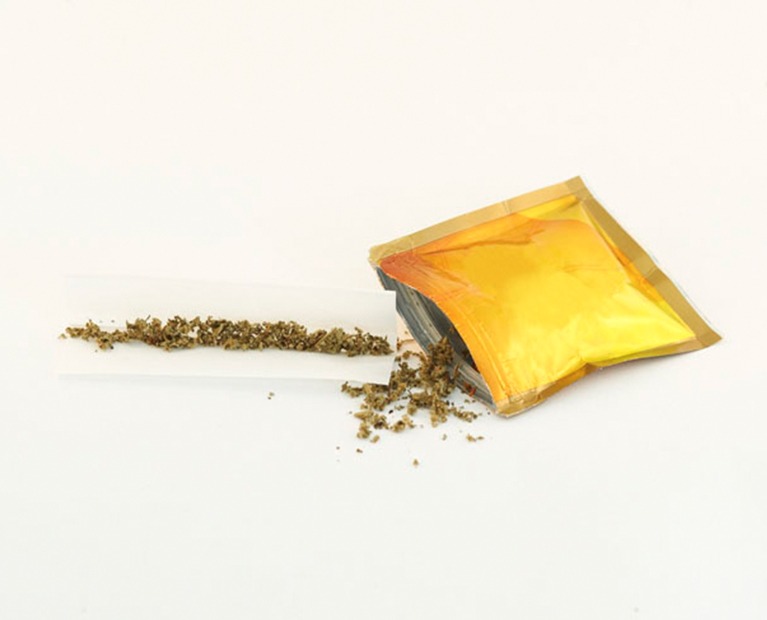
You came here for clarity, not chemistry-class jargon. Maybe you’re an ER nurse who just watched a patient seize on an unknown substance. Maybe you’re a parent who found a shiny foil packet in a backpack. Or maybe you’re a student trying to cut through the noise for a paper due Friday.
Whatever brought you here, your goal is valid: understand what synthetic cannabinoids actually are, how dangerous they are, and how to respond.
Here’s my promise. By the end of this guide, you’ll be able to identify the major classes of synthetic cannabinoids, recognize the warning signs of a medical emergency, and know exactly what to do next. No fluff. No scare tactics. Just straight talk backed by toxicology and public-health data.
Here’s the preview: we’ll break down the naming system, walk through the real “generations” of these compounds, map out the side effects your body experiences, and finish with a schema-ready FAQ.
And the proof? According to the CDC, synthetic cannabinoids have driven multi-state outbreaks of severe bleeding and death—events that landed hundreds in emergency rooms in a matter of weeks. This is not theoretical. It’s documented.
Let’s dig in.
What Is “Fake Weed” (K2 and Spice), Really?
Let’s kill the biggest myth first.
Synthetic cannabinoids are not marijuana. They are not “natural.” And they are not a safer alternative to anything.
They are lab-made chemicals sprayed onto dried plant material to be smoked, or dissolved into liquids for vaping. The plant matter is just a delivery vehicle. The active ingredient is a designer molecule.
These products go by street names like:
Key Takeaway: “Fake weed” looks like herbal potpourri but behaves like a powerful, unpredictable drug. The plant is harmless. The chemical coating is the threat.
Why “Synthetic Cannabinoid” Is a Misleading Comfort
The word “cannabinoid” tricks people into feeling safe. Don’t fall for it.
Yes, these chemicals bind to the same brain receptors (CB1 and CB2) as THC. But here’s the critical difference. They often bind far more strongly—acting as “full agonists” where THC is only a “partial agonist.”
In plain English: they hit the accelerator all the way to the floor. THC only presses it partway.
That’s why the effects are so much more violent and harder to predict.
Types of Synthetic Cannabinoids: The Major Chemical Classes
This is the section you searched for. Let’s make it useful.
Synthetic cannabinoids aren’t one drug. They’re hundreds of related compounds, constantly being tweaked. When one gets banned, chemists alter the molecule slightly to sidestep the law. This creates an endless cat-and-mouse cycle.
To make sense of it, researchers group them into structural families. Below are the primary classes you’ll encounter in medical and forensic literature.
1. Naphthoylindoles (The “JWH” Series)
These were among the earliest to appear in street products.
- The most famous is JWH-018, named after the chemist John W. Huffman, who synthesized many for research purposes only.
- Compounds include JWH-073, JWH-081, and JWH-122.
- These defined the first wave of “Spice” products in the late 2000s.
Pitfall Alert: Many people assume “JWH” compounds are outdated and gone. They’re not. Older stock still circulates, and newer analogs mimic their structure.
2. Cyclohexylphenols (The “CP” Series)
- Includes compounds like CP 47,497.
- Originally developed by pharmaceutical companies decades ago for pain research.
- Repurposed illicitly for their psychoactive punch.
3. Aminoalkylindoles
- This broad family overlaps with several street formulations.
- Notable examples include the AM series (such as AM-2201).
4. Indazole Carboxamides (The Modern, Deadlier Wave)
Pay close attention here. This is where the danger escalates.
- Compounds like AB-PINACA, AB-FUBINACA, ADB-PINACA, and 5F-ADB.
- These newer “third-generation” chemicals are dramatically more potent.
- They’re strongly linked to mass-casualty events, seizures, and deaths.
Expert Corner: In our experience reviewing toxicology reports, the shift from JWH-era compounds to indazole carboxamides marks the single biggest jump in lethality. Potency isn’t just higher—it’s wildly inconsistent between batches. One packet may be mild; the next, deadly.
5. Benzoylindoles and Phenylacetylindoles
- Smaller structural families (such as the RCS series).
- Less common but still documented in seized products.
A Simplified List of Synthetic Cannabinoids by Generation
Chemical families are precise but abstract. So let’s reframe by generation, which is how many clinicians think about the evolving threat.
First Generation (late 2000s):
- JWH-018, JWH-073, CP 47,497
- Detected in early “Spice” and “K2” imports.
Second Generation (early-to-mid 2010s):
- AM-2201, MAM-2201, XLR-11, UR-144
- More potent; linked to acute kidney injury outbreaks.
Third Generation (mid-2010s to present):
- AB-FUBINACA, ADB-PINACA, 5F-ADB, MDMB-FUBINACA
- Extreme potency. Associated with clusters of deaths and severe toxicity.
Key Takeaway: Each generation is generally more potent and more dangerous than the last. The trend line points in one direction—up.
Pitfall Alert: Do not treat this list as a shopping guide or a way to identify “safer” versions. There is no safe version. The names change monthly. What matters is recognizing the category and the risk.
For a deeper dive into how these drugs are legally classified, see our internal guide on drug scheduling and controlled substances.
Synthetic Marijuana Side Effects: What Happens to the Body
This is the part that saves lives. Let’s get specific.
Because these compounds bind so aggressively to cannabinoid receptors, the side effects are more severe, more varied, and more unpredictable than anything real cannabis produces.
Common Physical Side Effects
- Rapid heart rate (tachycardia)
- Dangerously high blood pressure
- Chest pain
- Vomiting (sometimes violent and prolonged)
- Muscle twitching and tremors
- Seizures
Severe and Life-Threatening Effects
- Acute kidney injury (documented in multiple outbreaks)
- Severe internal bleeding (linked to products contaminated with rat-poison-type anticoagulants)
- Stroke
- Heart attack, even in young, healthy users
- Coma
- Death
Psychological and Neurological Effects
- Extreme anxiety and paranoia
- Hallucinations and psychosis
- Aggression and violent behavior
- Confusion and disorientation
- Suicidal thoughts
Key Takeaway: The scariest feature of synthetic cannabinoids is unpredictability. The same brand, same packet design, can contain radically different chemicals in different doses. You never know what you’re getting.
The “Zombie” Outbreak Phenomenon
You may have seen news reports of people frozen, hunched, and unresponsive in public.
This “zombie-like” state was traced to a synthetic cannabinoid batch in a widely cited New England Journal of Medicine analysis. It’s a stark reminder: these drugs can shut down normal function within minutes.
To understand the broader context of overdose response, review our resource on recognizing a drug emergency.
Why Are Synthetic Cannabinoids So Much More Dangerous Than Cannabis?
Let’s answer the question everyone’s really asking.
Four reasons make these compounds uniquely hazardous:
1. Full receptor agonism.
They bind completely to CB1 receptors, producing effects THC simply cannot.
2. No dose control.
These products are made by spraying chemicals onto plant material. The distribution is uneven. One end of a joint might be mild; the other, lethal.
3. Unknown contaminants.
Products have been found laced with dangerous adulterants—including anticoagulant compounds that cause uncontrolled bleeding.
4. Constant chemical evolution.
New analogs appear faster than testing and regulation can keep up. Drug tests often miss them entirely.
Expert Corner: A common question from parents is, “Will a standard drug test catch this?” Usually no. Routine panels test for THC, not the ever-changing synthetic compounds. This is precisely why these drugs became popular in settings with drug screening—and precisely why they’re so hard to police.
How to Recognize the Signs Someone Has Used Fake Weed
Early recognition is everything. Watch for a cluster of these signs:
- Sudden, extreme agitation or aggression
- Vomiting that won’t stop
- A blank, frozen, or unresponsive stare
- Seizure activity or convulsions
- Racing heart or complaints of chest pain
- Slurred speech and severe confusion
- Empty foil packets labeled “not for human consumption” or “herbal incense”
That last label is a legal dodge. Manufacturers print it to sidestep regulation. It does not mean the product is harmless—it means the opposite.
What to Do in a Synthetic Cannabinoid Emergency
If you suspect an overdose or severe reaction, act fast.
- Call emergency services immediately (911 in the U.S.).
- Contact Poison Control at 1-800-222-1222 (U.S.) for real-time guidance.
- Keep the person calm and in a safe position.
- If they’re unconscious, place them in the recovery position to protect their airway.
- Do not leave them alone.
- Save any packaging—it helps medical teams identify the substance.
Key Takeaway: When in doubt, call. Synthetic cannabinoid reactions can escalate from “seems okay” to “life-threatening” in minutes. Hesitation costs lives.
Frequently Asked Questions
What are the main types of synthetic cannabinoids?
The main types are grouped into chemical families: naphthoylindoles (JWH series), cyclohexylphenols (CP series), aminoalkylindoles (AM series), and indazole carboxamides (like AB-FUBINACA and 5F-ADB). The indazole carboxamides are the newest and most dangerous. They’re often organized by “generation,” with each wave more potent than the last.
What is the difference between synthetic marijuana and real cannabis?
Real cannabis contains THC, a partial activator of your brain’s cannabinoid receptors. Synthetic cannabinoids are lab-made chemicals that are usually full activators—binding far more strongly. This makes them dramatically more potent, unpredictable, and dangerous, with a much higher risk of seizures, psychosis, and death.
What are the most common synthetic marijuana side effects?
Common side effects include rapid heart rate, high blood pressure, violent vomiting, extreme anxiety, paranoia, and confusion. Severe effects include seizures, acute kidney injury, uncontrolled bleeding, stroke, psychosis, coma, and death. Effects vary wildly because product potency is inconsistent.
Why is fake weed (K2 and Spice) so dangerous?
Three reasons: potency (full receptor agonism), inconsistency (chemicals are unevenly sprayed on plant material), and contamination (products have been laced with harmful adulterants). Add constant chemical changes that evade drug tests and regulation, and you get an extremely hazardous, unpredictable drug.
Can a standard drug test detect synthetic cannabinoids?
Usually not. Standard drug panels screen for THC, not the constantly evolving synthetic compounds. Specialized tests exist but often lag behind new formulations. This detection gap is a major reason these drugs spread in the first place.
How do you know if someone is having a synthetic cannabinoid emergency?
Warning signs include nonstop vomiting, seizures, a frozen or unresponsive “zombie-like” state, extreme aggression, chest pain, racing heart, and severe confusion. If you see these signs—especially near foil packets labeled “herbal incense” or “not for human consumption”—call emergency services immediately.
Are synthetic cannabinoids legal?
Many specific compounds are banned as controlled substances, but manufacturers constantly create new, technically-unregulated analogs to skirt the law. “Legal” does not mean “safe.” Legal status varies by country and region and changes frequently.
The Bottom Line: Knowledge Is Your Best Defense
Let’s recap the transformation you’ve made.
You arrived possibly confused about what synthetic cannabinoids even are. Now you understand the major chemical classes—from the JWH series to the deadly indazole carboxamides.
You know why “fake weed” is far more dangerous than cannabis. You can recognize the side effects, spot the warning signs, and respond in an emergency.
That’s real, actionable knowledge. And in a landscape this dangerous, knowledge is protection.
Here’s your next step. If you’re a parent, educator, or healthcare worker, bookmark this guide and share it with one person today. For deeper prevention strategies, explore our companion resource on talking to teens about drug risks.
The chemistry keeps changing. But your awareness—and your willingness to act—can save a life. Don’t wait for a crisis to get informed. Get informed now.
This article is for educational and harm-reduction purposes only. It is not medical advice. If you or someone you know is experiencing a medical emergency, call 911 (U.S.) or your local emergency number immediately. For substance-use support, contact the SAMHSA National Helpline at 1-800-662-4357.