


Blog
Herbal Incense 101: Types, Blends, and How to Use Them
Herbal Incense 101: Types, Blends, and How to Use Them vs. K2/Spice
The phrase “herbal incense” has two meanings. One is a traditional aromatic product. The other is a marketing disguise for synthetic drugs. You must identify which one you’re dealing with before anything else.
What True Herbal Incense Is
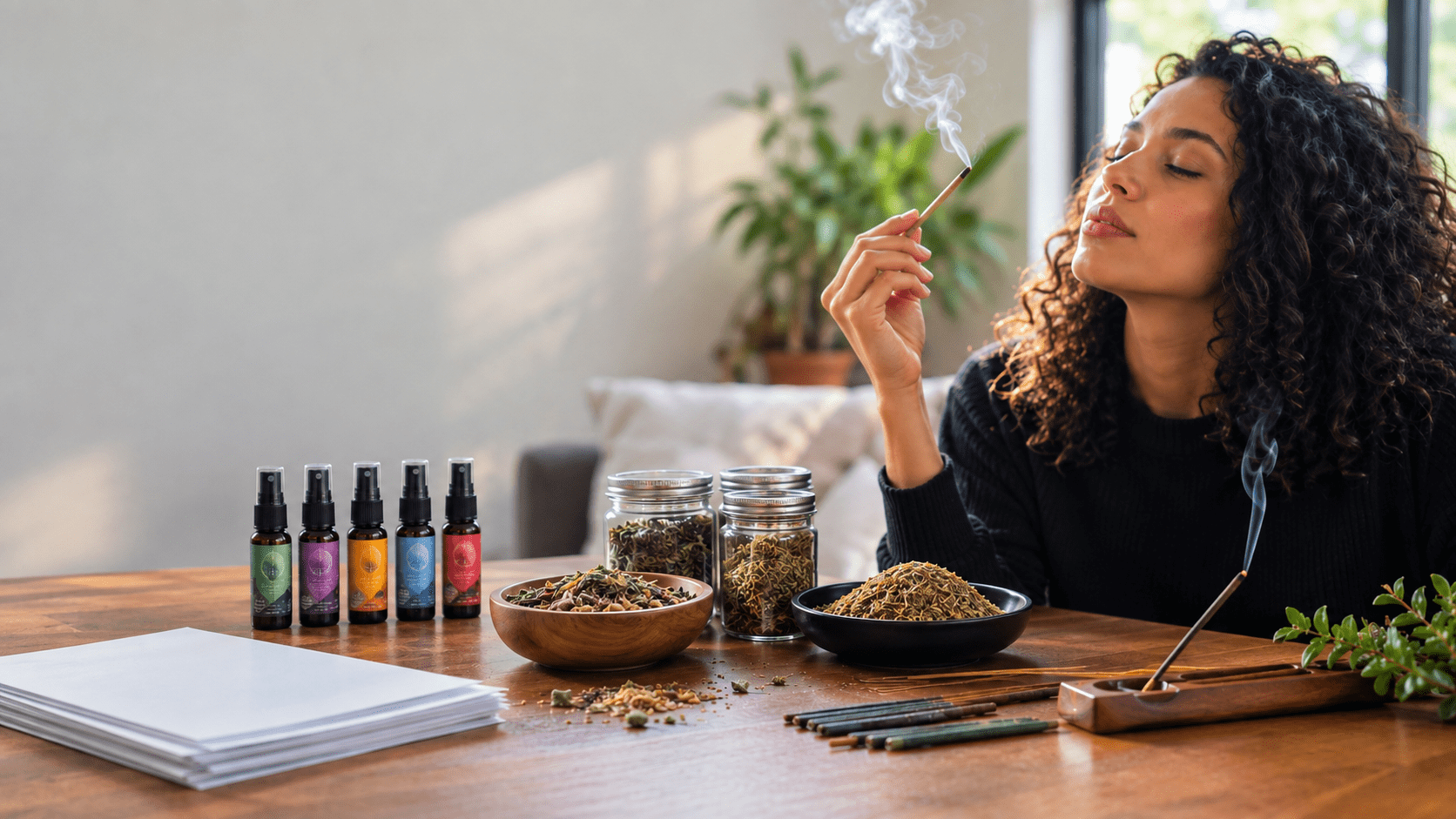
True herbal incense is plant material burned or heated for scent. It may include herbs, woods, resins, petals, roots, barks, and essential oils. It is used for atmosphere, ritual, meditation, or simple enjoyment. It is not designed to be inhaled deeply or consumed.
Common examples include:
- Lavender, rose, and jasmine petals.
- Sandalwood, cedar, and palo santo wood.
- Frankincense, myrrh, copal, and benzoin resins.
- Powdered blends for charcoal burners.
- Incense sticks, cones, coils, and backflow cones.
True incense can still produce smoke and particulates. Good ventilation matters. People with asthma, allergies, or sensitive lungs should be cautious.
What K2/Spice “Herbal Incense” Is
K2, Spice, and similar names usually refer to synthetic cannabinoids. These are chemicals sprayed onto plant matter or mixed into liquids. They are then sold as “herbal incense,” “potpourri,” or “aroma therapy” with a “not for human consumption” label.
That label is not a safety feature. It is a legal disclaimer. The product may contain unknown research chemicals, inconsistent doses, and contaminants. Effects can be severe: agitation, vomiting, rapid heart rate, seizures, psychosis, kidney injury, breathing problems, and death.
Types of Herbal Incense: A Beginner-Friendly Map
Once you know you’re looking at true incense, the next step is understanding the main types. This helps you choose the right burner, expect the right burn time, and avoid products that don’t match your goal.
Loose Botanical Incense
Loose incense is a mix of dried plant materials. You sprinkle it over a heat source or charcoal. It may be single-herb or a complex blend.
Examples:
- Dried lavender flowers
- Rose petals
- Ground sandalwood
- Cedar tips
- Mugwort or other aromatic herbs
Best for: Custom blending, ritual, and slow scent layering.
Resins, Gums, and Balsams
Resins are hardened plant sap. They smell rich and often sweet, spicy, or balsamic. They usually need indirect heat or charcoal.
Examples:
- Frankincense
- Myrrh
- Copal
- Benzoin
- Dragon’s blood resin
Best for: Long-lasting scent, meditation, and temple-style blends.
Incense Sticks, Cones, Coils, and Backflow Cones
These are pre-formed products. They are convenient and easy for beginners.
- Sticks: Bamboo core dipped in fragrance or paste. Burn upright in a holder.
- Cones: Compact paste shapes. Burn from the tip down.
- Coils: Spiral shapes that burn slowly. Good for timed sessions.
- Backflow cones: Designed for special burners that create a downward smoke waterfall. More decorative than functional.
Best for: Beginners, quick use, and predictable burn times.
Smudge Bundles and Smudging Sticks
Smudge bundles are tied bundles of dried herbs or wood. They are often used in cultural or spiritual practices. Examples include white sage, cedar, and palo santo.
Be respectful. Many smudging traditions belong to Indigenous cultures. Buying a bundle is not the same as understanding the practice.
Synthetic “Herbal Incense” Products
These are not true incense. They are K2/Spice-type products. They may look like potpourri, loose herbs, or incense. They often have no real scent until burned, or they smell chemical and harsh.
Avoid these products completely. There is no safe handling or use method for unknown synthetic cannabinoids.
| Type | Main Purpose | How to Identify | Risk Level |
|---|---|---|---|
| Loose botanical incense | Scent, ritual | Visible herbs, petals, powders | Low with safe burning |
| Resins/gums | Scent, meditation | Hard translucent chunks | Low with safe burning |
| Sticks/cones/coils | Convenient scent | Bamboo core or molded paste | Low with safe burning |
| Smudge bundles | Cultural/spiritual | Tied dried herbs/wood | Low with respect and ventilation |
| K2/Spice “incense” | Drug effect | “Not for human consumption,” potency claims | Extremely high; avoid |
Key Takeaway: True incense is sold for scent. K2 is sold for a high. That difference is the whole ballgame.
Related: types of herbal incense
Herbal Incense Blends: How to Read Categories and Labels
The secondary keyword here is important: herbal incense blends are not all the same. In true incense, “blend” means a recipe of aromatic materials. In the K2 world, “blend” means an unknown chemical cocktail. You need to know which definition you’re reading.
Single-Note Blends
A single-note blend focuses on one main material. It may still have a binder or base, but the scent is dominated by one note.
Examples:
- Sandalwood only
- Lavender only
- Frankincense only
Why use it: You learn what you like. You can later mix notes with confidence.
Resin-Based Blends
These blends use resins as the backbone. They often include powders or herbs to carry the scent.
Common combinations:
- Frankincense + myrrh
- Copal + cedar
- Benzoin + vanilla-like powders
- Dragon’s blood + sandalwood
Why use it: Deep, temple-like, long-lasting aroma.
Wood-and-Resin Temple Blends
This is a classic incense category. It combines woods, resins, spices, and sometimes floral powders. It often smells warm, dry, and complex.
Common notes:
- Sandalwood
- Cedar
- Frankincense
- Clove
- Cinnamon
- Patchouli
Why use it: Meditation, grounding, and a traditional incense experience.
Floral and Powder Blends
These are lighter and often sweeter. They use petals, powdered herbs, and sometimes essential oils.
Common notes:
- Rose
- Jasmine
- Lavender
- Chamomile
- Orris root
Why use it: Relaxed, fresh, or romantic atmospheres.
K2/Spice Blends: The Category to Avoid
In the synthetic market, “blends” are marketing names. They may change formula without warning. One batch can be weak. The next can be toxic. There is no standard, no quality control, and no safe dose.
Red flags:
- Names that suggest potency or effects
- “Not for human consumption”
- Sold behind the counter or with slang
- No ingredient list
- Packaging that changes frequently
- Seller cannot explain the scent because it isn’t really about scent
Label Terms That Matter
Reading labels is a skill. Here is what to look for.
Good signs for true incense:
- Clear ingredient list
- Scent description
- Burn instructions
- Manufacturer or brand contact
- Country of origin when relevant
- “For aromatic use only” with no drug claims
Red flags:
- “Not for human consumption” paired with drug slang
- “Legal high”
- “Synthetic cannabinoid”
- “Research chemical”
- “Potpourri” with no scent description
- “Strong” or “XXX” potency claims
- No ingredients, no batch info, no contact
In our experience, the most reliable incense buyers ignore hype words. They look for boring details: ingredients, burn method, and brand reputation. Hype is for drugs. Details are for incense.
Related: herbal incense blends
How to Use Herbal Incense Safely (True Botanical Incense Only)
This section is for true incense only. It is not for K2, Spice, or any synthetic product. If you have a product labeled “not for human consumption,” stop here and do not burn it.
Step-by-Step: Burning Loose Incense
- Choose a ventilated space. Open a window or use a room with airflow.
- Set up a heatproof burner. Use a ceramic, metal, or soapstone dish. Place it on a stable, nonflammable surface.
- Add a small amount. Start with a pinch. You can always add more.
- Use charcoal if needed. Light the charcoal in a well-ventilated area. Wait until it is ashed over.
- Sprinkle incense on top. Do not dump a large pile. Small amounts burn cleaner.
- Watch the smoke. If it becomes harsh or overwhelming, reduce the amount or improve ventilation.
- Never leave it unattended. Keep water or sand nearby to extinguish.
- Let ash cool completely. Dispose of it safely.
Step-by-Step: Using Sticks and Cones
- Place the stick or cone in a holder. Use a heatproof holder with an ash catcher.
- Light the tip. Let it flame for a few seconds.
- Blow out the flame. The incense should smolder, not burn bright.
- Keep it away from curtains, paper, and pets. Never place it near flammable items.
- Ventilate the room. Smoke is smoke, even when it smells good.
- Extinguish safely. Press the tip into a nonflammable surface or dip it in water.
Ventilation, Heat, and Fire Safety
Incense smoke contains particulate matter. It can irritate lungs, eyes, and throats. It is not a clean-air product. Use it in moderation.
People who should be especially cautious:
- Asthma sufferers
- People with COPD or other lung conditions
- Pregnant people
- Infants and children
- Pets, especially birds and small mammals
Never burn incense in a closed car, tiny bathroom, or unventilated closet. Never use a charcoal burner on a carpet or wooden table without a heatproof stand.
Storage and Shelf Life
Store true incense in an airtight container. Keep it cool, dark, and dry. Resins can melt or stick together in heat. Sticks can absorb humidity and lose scent.
Keep all incense away from children and pets. Some essential oils and resins are toxic if eaten.
Handling K2 Herbal Incense If You Encounter It
If you see a product labeled K2, Spice, “herbal incense,” “potpourri,” or “aroma therapy” that is sold for a high, treat it as a hazardous unknown. You do not need to test it to know it is risky.
Do not:
- Buy it
- Open it
- Burn it
- Smoke it
- Vape it
- Eat it
- Give it to anyone else
If you find it in your home:
- Keep it away from children and pets.
- Do not handle it with bare hands if it is liquid or powder.
- Follow local hazardous waste or law enforcement guidance for disposal.
- If you are unsure, contact your local non-emergency police line or poison control for advice.
If Someone Has a Bad Reaction
Synthetic cannabinoid reactions can be medical emergencies. Call emergency services if you see:
- Seizures
- Severe agitation or confusion
- Chest pain
- Racing heartbeat
- Trouble breathing
- Vomiting that won’t stop
- Loss of consciousness
- Psychosis or panic
-
Legal and Health Realities: What Adults Need to Know
In the United States, many synthetic cannabinoids are Schedule I controlled substances under federal law. State laws vary, but the trend has been toward broad bans. Many other countries have also outlawed K2/Spice-type products.
The legal status is not the main reason to avoid them. The health risk is.
According to the National Institute on Drug Abuse, synthetic cannabinoids can cause severe health effects. These include rapid heart rate, vomiting, violent behavior, suicidal thoughts, seizures, and kidney failure.
The Drug Enforcement Administration classifies many synthetic cannabinoids as Schedule I. That means they have no accepted medical use and a high potential for abuse.
If you or someone you know is struggling with synthetic cannabinoid use, the SAMHSA National Helpline is free, confidential, and available 24/7 in the U.S.
Why K2 Blends Are Unpredictable
Quality control does not exist in the illicit synthetic market. The chemical may vary from package to package. The spray pattern may be uneven. One corner of a “herbal incense blend” could be stronger than another.
That is why two people can use the same product and have completely different outcomes. It is also why emergency rooms see clusters of overdoses from a single batch.
What This Means for Beginners
If you are curious about incense, stay in the true incense lane. Buy from reputable botanical sellers. Learn notes, resins, and burners. Enjoy scent. Do not cross into K2 products because they share a misleading name.
Herbal Incense 101: Frequently Asked Questions
What is herbal incense?
Herbal incense is plant material, resin, or paste burned or heated for fragrance. True herbal incense is used for scent, ritual, or ambiance. It is not meant to be eaten, vaped, or used as a drug.
Are K2 and herbal incense the same?
No. K2/Spice is a synthetic cannabinoid product often sold as “herbal incense.” True herbal incense is a botanical aromatic product. The shared name is a marketing trick, not a chemical category.
What are herbal incense blends?
In true incense, a blend is a recipe of aromatic materials like resins, woods, herbs, and petals. In the K2 market, a “blend” is an unknown chemical mixture. Always judge the product by its ingredients and sales context.
Are herbal incense blends legal?
True botanical incense is generally legal to buy and burn when used as intended. K2/Spice products are not legal in many places. In the U.S., many synthetic cannabinoids are Schedule I. Laws vary by state and country, so check local rules.
How do you use herbal incense safely?
Use true incense only. Burn a small amount in a ventilated area. Use a heatproof holder. Keep it away from children, pets, and flammable items. Never leave it unattended. Do not deeply inhale the smoke.
Can you get high from herbal incense?
You cannot get high from true botanical incense. If a product labeled “herbal incense” produces drug-like effects, it likely contains synthetic cannabinoids or other unknown chemicals. That is a serious health risk, not a normal incense experience.
What should you do if someone reacts badly to K2/Spice?
Call emergency services immediately. In the U.S., Poison Control can be reached at 1-800-222-1222. Do not leave the person alone. Do not give them more of the product. If they are unconscious or having seizures, treat it as a life-threatening emergency.
Conclusion: Turn Curiosity into Safe Choices
You started with a simple question about herbal incense. Now you have a clear map. True incense is botanical, aromatic, and sold for scent. K2/Spice is synthetic, unpredictable, and sold under a misleading label. The types, blends, and handling practices are completely different.