


Blog
Why K2 is more dangerous than cannabis
Contents
- 1. Why K2 Is More Dangerous Than Cannabis: The Hard Truth
- 1.1. What K2 actually is
- 1.2. Why K2 is more dangerous than cannabis
- 1.3. K2 vs Cannabis: what’s actually different?
- 1.4. Why the “synthetic weed” label is misleading
- 1.5. Synthetic cannabinoids dangers: the symptoms you need to know
- 1.6. Who is most at risk, and why?
- 1.7. What K2 looks like in the real world
- 1.8. K2 vs cannabis: the emergency difference
- 1.9. What to do if someone may have used K2
- 1.10. Withdrawal and dependence: why stopping can be hard
- 1.11. Why standard advice about cannabis often fails here
- 1.12. Expert Corner: how to talk about K2 without losing your audience
- 1.13. Synthetic cannabinoids and public health: why this keeps happening
- 1.14. High-authority sources worth citing and linking
- 1.15. Internal Link Strategy: 3 placements that strengthen topical authority
- 1.16. FAQ
- 1.16.1. What is K2, and is it the same as cannabis?
- 1.16.2. Why is K2 more dangerous than cannabis?
- 1.16.3. What are the first warning signs of synthetic cannabinoid use?
- 1.16.4. Can K2 cause psychosis or seizures?
- 1.16.5. When should you call 911 for a K2 reaction?
- 1.16.6. Can standard drug tests detect synthetic cannabinoids?
- 1.16.7. How is K2 addiction treated?
- 1.17. Conclusion & CTA
Why K2 Is More Dangerous Than Cannabis: The Hard Truth
If you’re comparing K2 vs Cannabis, you want a straight answer, not a lecture.
You’re in the right place.
Promise: by the end of this guide, you’ll understand exactly why K2 is more dangerous than cannabis, how to spot the warning signs, and what to do if someone may have used it.
Preview: we’ll break down the chemistry, compare the two side by side, explain the real synthetic cannabinoids dangers, and give you a practical response plan for parents, users, educators, and first responders.
Proof: public health agencies like the NIDA and CDC have documented severe reactions from synthetic cannabinoids—including seizures, psychosis, kidney injury, and death—outcomes far beyond typical marijuana intoxication.
Key Takeaway: K2 is not “strong weed.” It is a different drug class with unpredictable potency, no quality control, and a much higher risk of medical emergencies.
What K2 actually is
K2 is a street name for synthetic cannabinoids.
It is not cannabis.
It is usually a mix of dried plant material sprayed with laboratory-made chemicals designed to bind to cannabinoid receptors in the brain. It may also appear as:
- vape liquids
- herbal incense
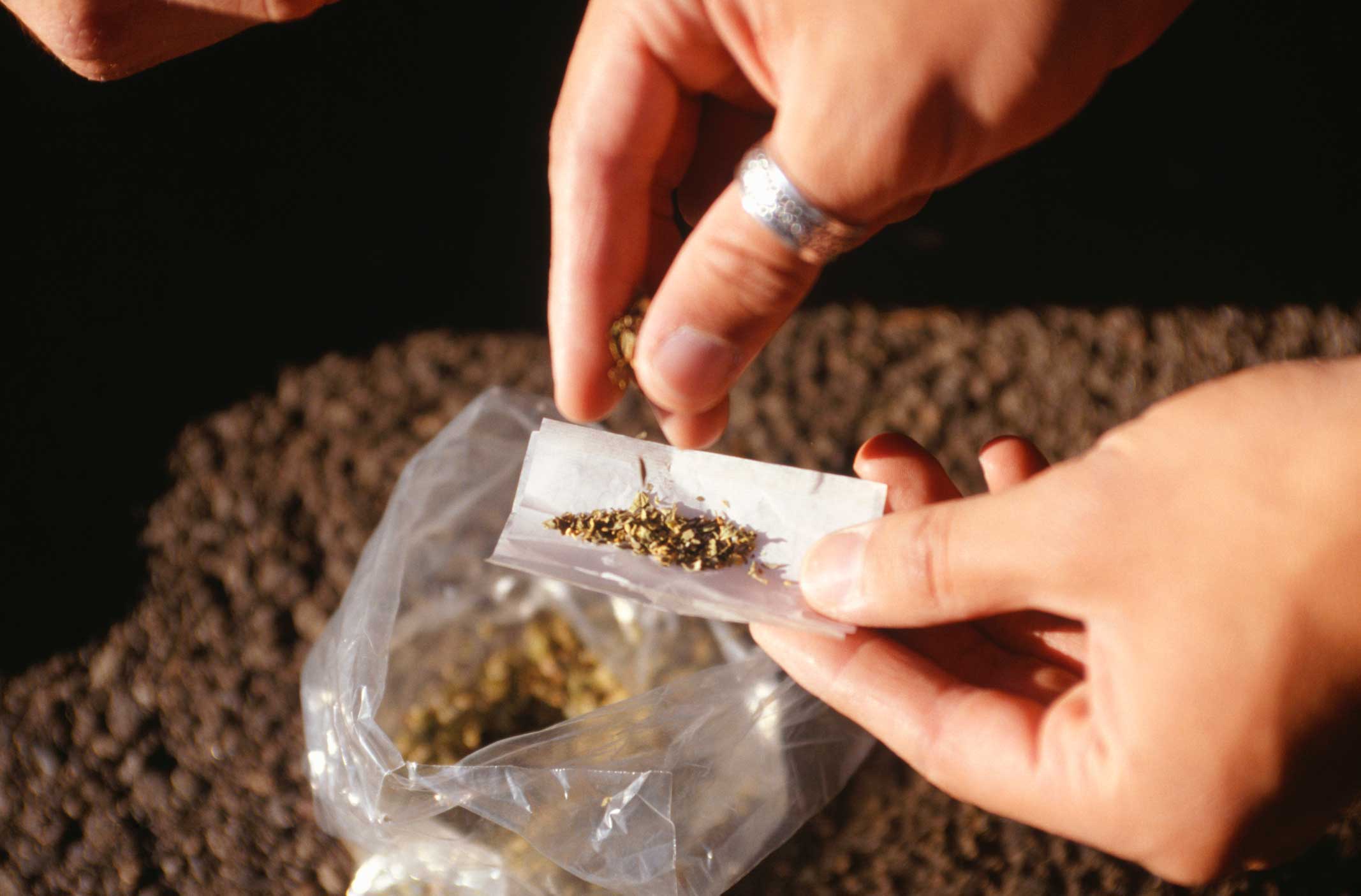
- colorful packeted blends
- paper sprayed with chemicals
- powders or oils sold under misleading names
The branding is part of the trap.
People often see “incense,” “potpourri,” or “not for human consumption” and assume the product is harmless or merely “weed-like.” That assumption is dangerous.
K2 is a chemical product marketed with cannabis language.
That is exactly why so many people underestimate it.
Why K2 is more dangerous than cannabis
This is the core issue.
The danger is not just that K2 is “stronger.”
The danger is that it is unpredictable.
1) K2 acts differently in the brain
Natural cannabis contains THC, which is a partial agonist at cannabinoid receptors.
Many synthetic cannabinoids are much more powerful at those same receptors and can act like full agonists.
In plain English:
- THC produces a signal with a built-in ceiling.
- Synthetic cannabinoids can push that system far harder.
That means the brain can get slammed with a much stronger, less controllable effect.
2) The dose is impossible to predict
With cannabis, people at least have some baseline familiarity with flower, edibles, or regulated products.
With K2, that baseline does not exist.
The same package can contain unevenly sprayed spots. One hit may do little. The next may trigger:
- severe agitation
- racing heart
- vomiting
- hallucinations
- seizures
- collapse
This is the “Russian roulette” problem.
3) The ingredients change constantly
Manufacturers frequently alter the chemical recipe to stay ahead of laws and testing.
That creates a major public health problem:
- one batch is not like the next
- one city’s product may differ from another’s
- toxicology screens may miss newer compounds
- clinicians may not know exactly which chemical caused the reaction
This is one reason synthetic cannabinoids dangers keep showing up in outbreak reports.
4) There is no quality control
Regulated cannabis products are tested for potency and contaminants in legal markets.
K2 has none of that.
That means users may be exposed to:
- unknown synthetic compounds
- solvents or residues
- contamination from spraying and packaging
- in some outbreaks, additional toxins such as brodifacoum
Some batches have even been linked to severe bleeding events because of contamination.
That is not a “bad high.”
That is a medical emergency.
5) The margin of safety is much thinner
With cannabis, many people experience impairment, anxiety, dry mouth, red eyes, or increased appetite.
With K2, the line between “I feel weird” and “I need an ambulance” can be very short.
Symptoms can escalate fast.
Key Takeaway: K2 is more dangerous than cannabis because it combines stronger receptor activity with unknown ingredients, uneven dosing, and zero quality control.
K2 vs Cannabis: what’s actually different?
This comparison matters because many people assume K2 is just a legal version of marijuana.
It isn’t.
| Factor | Cannabis | K2 / Synthetic Cannabinoids |
|---|---|---|
| Main active compound | THC and other cannabinoids | Lab-made synthetic chemicals |
| Receptor activity | Usually partial agonism | Often much stronger, sometimes full agonism |
| Dose predictability | More predictable, especially in regulated products | Highly unpredictable |
| Product quality | Tested in legal markets | No quality control |
| Common effects | Relaxation, altered perception, impaired coordination | Panic, agitation, psychosis, tachycardia, vomiting |
| Severe emergencies | Possible, but less common | Much more common |
| Standard drug tests | THC is often detectable | Many synthetic cannabinoids are not detected on routine panels |
| Withdrawal | Usually milder | Can be intense and medically significant |
Cannabis can still be risky.
It can impair driving, trigger anxiety, worsen psychosis in vulnerable people, and cause dependence.
But K2 is in a different danger category.
Why the “synthetic weed” label is misleading
Calling K2 “synthetic weed” makes it sound like a substitute.
That is the mistake.
The word “synthetic” does not mean “cleaner” or “safer.”
It means manufactured chemicals that may resemble cannabis in effect, but not in safety.
This label creates three dangerous myths:
Myth 1: “If it’s sold, it must be safe”
False.
Availability is not a safety test.
Myth 2: “It’s basically the same as cannabis”
False.
Different chemical structure. Different receptor behavior. Different risk profile.
Myth 3: “I can control the dose like weed”
False.
K2 dose control is poor, even for experienced users.
Pitfall Alert:
A person can look “okay” for a few minutes and then suddenly become combative, confused, psychotic, or unresponsive. Do not assume a short-lived improvement means the danger has passed.
Synthetic cannabinoids dangers: the symptoms you need to know
Symptoms vary by batch, dose, and the person taking it.
Not everyone will show every sign.
Common physical symptoms
- rapid heartbeat
- chest pain
- high blood pressure
- sweating
- nausea or vomiting
- dizziness
- tremors
- slurred speech
- poor coordination
- pale or flushed skin
Common behavioral and psychological symptoms
- severe anxiety
- paranoia
- panic
- hallucinations
- agitation
- confusion
- aggression
- disorientation
- catatonia or a “zombie-like” stare
- psychosis
Severe red flags
Call emergency services immediately if there is:
- seizure activity
- difficulty breathing
- unresponsiveness
- collapse or fainting
- severe chest pain
- extreme confusion
- violent behavior that cannot be safely managed
- stroke-like symptoms
- blue lips or gray skin
- severe bleeding
- repeated vomiting with inability to stay awake
These are not “wait and see” symptoms.
They are emergency symptoms.
Who is most at risk, and why?
K2 tends to hit the most vulnerable groups hardest.
Teens and young adults
This group is often drawn to novelty, peer pressure, or the idea of a “legal high.”
K2 is also easy to mislabel online or in retail environments.
What they need to know:
- it is not cannabis
- it can cause sudden psychosis or seizures
- one bad batch can cause severe harm
- “everyone tried it and was fine” is not a safety standard
Current cannabis users
Some marijuana users think K2 is just a stronger version of weed.
That misunderstanding is common—and dangerous.
The experience may feel familiar at first, which can lower the user’s guard. But the next effects can be far more intense and unstable.
People evading drug tests
Some people use K2 because they believe it won’t show up on a standard panel.
That is a desperate choice, and a dangerous one.
The health risk is not worth the short-term goal.
Incarcerated and homeless populations
K2 is often found in prisons, shelters, encampments, and other unstable environments because it can be:
- cheap
- easy to conceal
- sprayed onto paper or plant material
- distributed without obvious odor or packaging cues
These are environments where small mistakes become big emergencies quickly.
People with mental health vulnerabilities
Anyone with a history of:
- psychosis
- bipolar disorder
- panic attacks
- trauma
- severe anxiety
may be at higher risk for a dangerous reaction.
Synthetic cannabinoids can intensify or trigger psychiatric symptoms fast.
Key Takeaway: The people most likely to use K2 are often the same people least able to absorb the consequences safely.
What K2 looks like in the real world
For parents, teachers, and counselors, identification matters.
K2 may appear as:
- bright, flashy packets
- herbal or incense-style packaging
- labels such as “blend,” “incense,” “potpourri,” or “not for human consumption”
- e-liquids
- paper sheets or mail items with chemical spray
- small baggies of dried plant matter
It may smell chemical-like, but smell is not reliable.
That’s important.
You cannot safely identify K2 just by scent, and you cannot rule it out because it “looks like herbs.”
Expert Corner
When you suspect K2, focus on behavior plus packaging.
A student who appears intoxicated, paranoid, frozen, or aggressively confused—especially with suspicious packaging nearby—should be treated as a possible synthetic cannabinoid exposure, not just “being high.”
K2 vs cannabis: the emergency difference
This distinction is critical.
With cannabis, most acute reactions are uncomfortable or impairing.
With K2, you may be dealing with:
- toxic psychosis
- seizure risk
- cardiac stress
- kidney injury
- severe agitation
- violent behavior
- delayed recognition because routine drug tests may not help
That means caregivers and responders can’t rely on the same mental model.
If the person seems “more than high,” assume a medical problem first.
What to do if someone may have used K2
If you think someone has used K2 or a synthetic cannabinoid, act quickly and calmly.
Do this first
- Call 911 right away if they have chest pain, seizures, trouble breathing, fainting, or extreme agitation.
- Call Poison Control in the U.S. at 1-800-222-1222 for immediate expert guidance.
- Stay with the person until help arrives.
- Move them to a quiet, safe area if they are anxious or overstimulated.
- Keep the packaging if it can be done safely. It may help clinicians identify the product.
Do not do this
- do not leave them alone if they are confused or unstable
- do not force them to eat or drink
- do not try to make them “sleep it off”
- do not physically fight them unless safety requires intervention
- do not assume a negative THC screen means nothing serious happened
Pitfall Alert:
A standard drug screen may miss many synthetic cannabinoids. That can delay recognition and treatment if caregivers rely on testing instead of symptoms.
If the person is not breathing normally
- start emergency response immediately
- follow dispatcher instructions
- begin CPR if trained and indicated
- use naloxone if opioids are suspected, but do not assume naloxone will solve a K2 reaction
K2 is not an opioid problem, though mixed exposures can happen.
Withdrawal and dependence: why stopping can be hard
People sometimes assume synthetic cannabinoids are only dangerous in the moment.
That’s not true.
Repeated use can lead to dependence, and withdrawal can be severe.
Common withdrawal symptoms
- irritability
- insomnia
- anxiety
- depression
- cravings
- sweating
- nausea
- tremor
- headache
- restlessness
- mood swings
Some users also report:
- panic
- paranoia
- vivid dreams
- feeling detached or unreal
This is one reason K2 treatment often needs more support than people expect.
How treatment differs from cannabis use disorder care
The core approach is usually:
- medical assessment
- symptom management
- psychiatric stabilization if needed
- counseling or therapy
- relapse prevention support
- treatment of co-occurring substance use
In severe cases, detox or hospital care may be necessary.
There is no one-size-fits-all fix.
That’s because the drug exposure itself is unpredictable, and the psychological fallout can be intense.
Why standard advice about cannabis often fails here
A lot of online content talks about cannabis with language like:
- “start low and go slow”
- “wait for the edible to kick in”
- “choose regulated products”
That advice does not make K2 safe.
It doesn’t even apply.
K2 is not a dose-managed cannabis product.
It is an unregulated chemical exposure.
That’s why generic marijuana advice can mislead readers when the real issue is synthetic cannabinoids.
Common content gap on competing pages
Most top results miss at least one of these:
- the receptor-level difference
- why the dose is unpredictable
- how quickly symptoms can escalate
- what a real emergency looks like
- what parents, teachers, and counselors should do next
- why a negative drug test does not equal safety
If your content fixes those gaps, it becomes far more useful.
Expert Corner: how to talk about K2 without losing your audience
Fear-based messaging alone usually fails.
People who use K2 are often skeptical, stressed, or desperate.
What works better:
- name the drug clearly
- avoid moralizing
- explain the mechanism in plain English
- focus on real outcomes, not slogans
- give immediate next steps
For example, instead of saying:
- “Just don’t do drugs”
say:
- “K2 is not cannabis. It can cause sudden psychosis, seizures, and heart strain from a batch you can’t verify.”
That message is harder to ignore.
Synthetic cannabinoids and public health: why this keeps happening
Synthetic cannabinoid products are a moving target.
Manufacturers keep changing formulas to stay ahead of enforcement and scheduling laws.
This creates a cat-and-mouse game:
- a new compound is created
- authorities identify it
- laws catch up
- manufacturers switch the formula again
That means toxicology labs, poison centers, hospitals, and schools are always playing catch-up.
For lawmakers and public health leaders, the answer is not just awareness.
It is:
- faster surveillance
- better toxicology reporting
- stronger education
- clearer distinctions between regulated cannabis and unregulated synthetics
- treatment access for high-risk populations
For cannabis legalization advocates, this distinction is also important.
Conflating legal marijuana with K2 hurts trust.
They are not the same public health issue.
High-authority sources worth citing and linking
If you want to strengthen your article further, these are strong references:
- NIDA — Synthetic Cannabinoids
https://nida.nih.gov/research-topics/synthetic-cannabinoids - CDC MMWR — Synthetic cannabinoid outbreak and surveillance reports
https://www.cdc.gov/mmwr/ - SAMHSA — National Helpline and treatment support
https://www.samhsa.gov/find-help/national-helpline
These sources support the core message: K2 is more dangerous than cannabis because it is unregulated, chemically unstable, and capable of causing severe medical harm.
Internal Link Strategy: 3 placements that strengthen topical authority
Use these keyword-rich anchors inside your site:
- After the comparison table
Anchor: K2 vs Cannabis: What’s the Difference?
Placement goal: reinforce the central comparison. - After the symptoms section
Anchor: Synthetic Cannabinoid Overdose Signs
Placement goal: send readers to a more detailed emergency guide. - After the treatment section
Anchor: How to Treat Drug-Induced Psychosis Safely
Placement goal: support readers who need next-step care information.
FAQ
What is K2, and is it the same as cannabis?
No. K2 is a street term for synthetic cannabinoids, which are lab-made chemicals. Cannabis is a plant that contains THC and other naturally occurring compounds.
Why is K2 more dangerous than cannabis?
K2 is more dangerous because its chemicals are often stronger at cannabinoid receptors, the dose is unpredictable, and products are not quality-controlled. That raises the risk of psychosis, seizures, and overdose-like reactions.
What are the first warning signs of synthetic cannabinoid use?
Common early signs include rapid heartbeat, anxiety, confusion, sweating, nausea, agitation, paranoia, and poor coordination. Symptoms can escalate quickly.
Can K2 cause psychosis or seizures?
Yes. Synthetic cannabinoids are linked to acute psychosis, hallucinations, severe agitation, and seizures. These reactions may happen even in people without a prior psychiatric history.
When should you call 911 for a K2 reaction?
Call 911 immediately if the person has trouble breathing, chest pain, seizures, fainting, severe confusion, violent behavior, or is unresponsive.
Can standard drug tests detect synthetic cannabinoids?
Often, no. Many routine drug screens do not detect synthetic cannabinoids, which is one reason people mistakenly think K2 is “safer.”
How is K2 addiction treated?
Treatment usually includes medical evaluation, symptom management, therapy, relapse prevention, and support for any co-occurring mental health or substance use issues. Severe cases may require detox or hospital care.
Conclusion & CTA
Here’s the bottom line:
K2 is more dangerous than cannabis because it is not cannabis at all.
It is an unregulated synthetic drug class with:
- unpredictable potency
- stronger receptor effects
- no quality control
- a higher risk of psychosis, seizures, and cardiac events
- a real possibility of life-threatening emergencies
If you’re a parent, educator, clinician, or at-risk user, the right move is not panic.
It’s precision.
Know the signs.
Treat the symptoms seriously.
Call for help early.
If this article helped, share it now with one person who needs the truth about K2 vs cannabis—and save the emergency numbers before you need them.