


Blog
What Is K2 Paper and How Does It Work? A Complete Beginner’s Guide
Contents
- 1. What Is K2 Paper and How Does It Work? A Complete Beginner’s Guide
- 1.1. What Exactly Is K2 Paper?
- 1.2. The Science: How Does K2 Paper Work in the Brain?
- 1.3. How K2 Paper is Made (And the Hidden Danger of “Hot Spots”)
- 1.4. Forms of K2: Paper vs. Liquid vs. Herbal Incense
- 1.5. The Realities: Strength, Safety, and Side Effects
- 1.6. Is K2 Paper Legal? The Federal Analog Act
- 1.7. Why People Seek Out K2 Paper (Drug Testing Realities)
- 1.8. Frequently Asked Questions (FAQ)-
- 1.9. What Is K2 Paper and How Does It Work? A Complete Beginner’s Guide
- 1.10. Conclusion: The Bottom Line on K2 Paper
What Is K2 Paper and How Does It Work? A Complete Beginner’s Guide
If you are researching K2 paper whether you’ve heard rumors about it, are wondering how it compares to natural cannabis, or are curious about its legal status you’ve likely found a lot of confusing, conflicting advice.
I am going to strip away the confusion and give you the unfiltered truth.
By the end of this guide, you will know exactly what K2 paper is, the science behind how it interacts with the human body, the legal realities, and the critical safety risks every beginner must understand.
facts, step-by-step.
Let’s dive in.
What Exactly Is K2 Paper?
To understand K2 paper, you first need to understand synthetic cannabinoids.
Often sold under brand names like “K2” or “Spice,” synthetic cannabinoids are human-made, mind-altering chemicals. They are designed to mimic the effects of THC, the main psychoactive ingredient found in the natural marijuana plant.
However, they are vastly different chemically.
K2 infused paper is simply a delivery method for these synthetic chemicals.
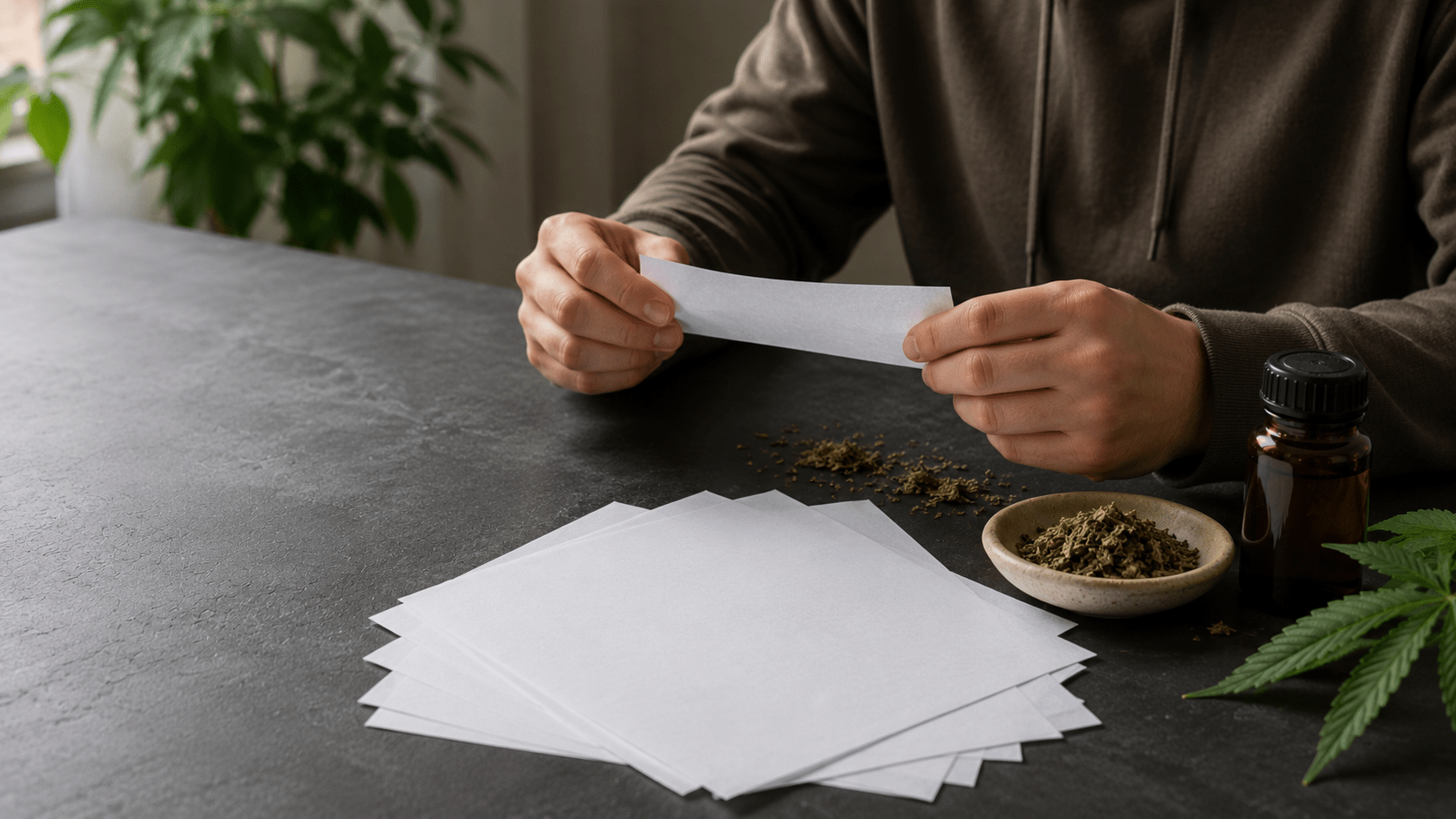
Instead of spraying the chemical onto dried plant material (which is how “herbal incense” is made), manufacturers dissolve the synthetic cannabinoids in a liquid solvent. This liquid is then sprayed onto or soaked into standard sheets of paper (like A4 printer paper) or even greeting cards.
Once the solvent evaporates, the paper looks completely normal. However, it is now infused with invisible, highly potent synthetic chemicals.
Why Use Paper?
The primary reason K2 infused paper exists is discretion.
Because the infused paper looks, feels, and smells like regular paper, it is incredibly difficult to detect. This delivery method became infamous for being used to smuggle synthetic cannabinoids into highly restricted environments, such as prisons, jails, and secure psychiatric facilities.
Users typically cut the paper into tiny squares and either chew it, smoke it, or brew it into tea to experience the effects.
The Science: How Does K2 Paper Work in the Brain?
If you are a beginner, you might assume that because K2 is marketed as “synthetic weed,” it works exactly the same way as a natural joint.
This is a dangerous misconception.
Both natural THC and the chemicals in K2 infused paper interact with the body’s Endocannabinoid System (ECS). Specifically, they bind to the CB1 receptors in the brain. But how they bind makes all the difference.
Partial Agonists vs. Full Agonists
Natural THC is a partial agonist. When it binds to your brain’s CB1 receptors, it only activates them partially. This puts a natural “ceiling” on the high and limits the severity of side effects.
The chemicals used in K2 paper (such as JWH-018, AM-2201, and hundreds of newer variants) are full agonists.
When a full agonist hits your CB1 receptors, it binds to them with 100% efficacy. It slams the receptor completely open. Furthermore, these synthetic chemicals can bind to the brain’s receptors up to 100 times more tightly than natural THC.
The Result on the User
Because there is no “ceiling” effect, the brain is flooded with signals.
This is why K2 paper does not just make a user feel “stoned.” It can cause severe central nervous system overload, leading to unpredictable, extreme, and often dangerous reactions.
How K2 Paper is Made (And the Hidden Danger of “Hot Spots”)
Note: The following information is for educational and harm-reduction purposes only. Manufacturing synthetic cannabinoids is illegal and highly dangerous.
Many beginners search for “how to make K2 paper,” assuming it’s a simple, safe DIY project. The reality is that the manufacturing process is crude, unregulated, and incredibly risky.
The Infusion Process
To create K2 infused paper, illicit manufacturers follow a basic, yet hazardous, chemical process:
- The Chemical Powder: They obtain pure synthetic cannabinoid powder (usually manufactured in overseas laboratories).
- The Solvent: The powder is dissolved in a highly toxic, volatile chemical solvent, such as pure acetone or ethanol.
- The Application: This liquid K2 spray is then sprayed heavily over a sheet of paper, or the paper is submerged in a tray of the liquid.
- The Drying: The paper is hung up to dry. As the solvent evaporates, the synthetic chemical binds to the paper fibers.
The “Hot Spot” Phenomenon
Here is why this process is a massive safety hazard.
Because this is done in makeshift environments not professional pharmaceutical labs the chemical does not spread evenly across the paper.
When the solvent dries, it leaves behind “hot spots” concentrated pools of the chemical.
If a user cuts a one-inch square from the top left of the K2 paper, they might get a mild dose. If they cut a one-inch square from a “hot spot” on the bottom right, they could ingest a massive, concentrated overdose that triggers immediate medical failure.
Forms of K2: Paper vs. Liquid vs. Herbal Incense
To fully grasp what K2 infused paper is, it helps to see how it compares to the other popular forms of synthetic cannabinoids on the market.
- Herbal Incense (Spice/K2): The original form. The liquid synthetic chemical is sprayed onto dried, shredded plant material (like marshmallow leaf). It is meant to look like natural weed and is typically smoked.
- Liquid K2 (C-Liquid): The synthetic chemical suspended in a vape juice base (propylene glycol/vegetable glycerin). It is loaded into e-cigarettes and vaped. It hits the bloodstream almost instantly.
- K2 Paper Sheets: The synthetic chemical infused into standard paper. It is the most discreet form, completely odorless in its raw state, and easily transported through the mail.
Regardless of the form, the active chemical is exactly the same. Only the delivery vehicle changes.
The Realities: Strength, Safety, and Side Effects
If you are a risk-aware user trying to weigh the pros and cons, you need cold, hard facts.
Because K2 acts as a full agonist on the brain, the side effects are completely different from natural cannabis. According to data from the National Institute on Drug Abuse (NIDA), synthetic cannabinoids can be life-threatening.
Short-Term Side Effects
When a user ingests K2 paper, the effects hit rapidly. While some experience mild euphoria, a massive percentage of users experience:
- Extreme anxiety and paranoia.
- Vomiting and nausea.
- Rapid heart rate (tachycardia) and elevated blood pressure.
- Intense hallucinations and violent behavior.
The “Zombie” Effect
You have likely seen news reports of people under the influence of synthetics acting like “zombies.”
This occurs because high doses of synthetic cannabinoids shut down the brain’s motor control and cognitive centers while simultaneously triggering severe psychotic episodes. The user is trapped in a state of catatonia mixed with delirium.
Long-Term Health Risks
Long-term use of K2 infused paper takes a heavy toll on the body. Documented medical cases have linked ongoing synthetic cannabinoid use to:
- Acute kidney injury.
- Myocardial infarction (heart attacks), even in young, healthy users.
- Permanent psychiatric damage, including chronic schizophrenia-like symptoms.
Is K2 Paper Legal? The Federal Analog Act
One of the main reasons beginners search for K2 paper is the mistaken belief that it is a “legal high.”
This is no longer true.
In the late 2000s, early versions of K2 were sold legally in gas stations and head shops because the specific chemicals hadn’t been banned yet.
However, law enforcement quickly caught on.
The DEA and Schedule I Status
Today, the Drug Enforcement Administration (DEA) has classified the most common synthetic cannabinoids as Schedule I controlled substances. This makes them just as illegal as heroin or LSD at the federal level.
The Cat-and-Mouse Game
Manufacturers try to bypass these laws by tweaking the chemical structure slightly. If the government bans “Chemical A,” the lab changes one molecule to create “Chemical B,” claiming it is technically a new, legal substance.
To combat this, the US government uses the Federal Analogue Act.
This act states that if a chemical is “substantially similar” in structure and effect to a Schedule I drug, it is treated as a Schedule I drug. Therefore, possessing, buying, or selling K2 paper is a serious felony, regardless of the specific chemical formula used.
Why People Seek Out K2 Paper (Drug Testing Realities)
If K2 is so dangerous and illegal, why do people still look for it?
Aside from prison smuggling, the number one reason beginners seek out K2 paper is to pass a drug test.
The Drug Test Myth
Standard 5-panel or 10-panel workplace drug tests look for THC metabolites. Because the chemicals in K2 paper are structurally different from THC, they do not trigger a positive result for marijuana on standard tests.
The Reality
However, the era of K2 being undetectable is over.
Employers, probation officers, and athletic commissions are well aware of synthetic cannabinoids. Today, specialized urine and blood tests exist specifically to detect the metabolites of common K2 chemicals (like JWH-018 and UR-144).
Relying on K2 paper to beat a drug test is incredibly risky. Not only could you still get caught via a specialized test, but you are risking permanent physical harm just to pass a screening.
Frequently Asked Questions (FAQ)-
What Is K2 Paper and How Does It Work? A Complete Beginner’s Guide
To ensure this guide leaves no stone unturned, here are the answers to the most common questions beginners have about K2 paper.
What does K2 paper look like?
K2 paper looks exactly like standard printer paper, notebook paper, or greeting cards. Because the chemical is dried directly into the fibers, it is virtually indistinguishable from regular paper to the naked eye.
How do people use K2 infused paper?
Users typically cut the paper into small squares. It can be chewed (sublingual absorption), rolled into a cigarette and smoked, or steeped in hot water to make a synthetic cannabinoid tea.
Does K2 paper have a smell?
In its raw, dried paper form, it generally has no distinct odor, which is why it is used for smuggling. However, when it is burned and smoked, it produces a harsh, chemical smell that is very different from natural cannabis.
Can K2 paper be detected by drug dogs?
Standard K-9 units trained to detect cannabis, cocaine, or heroin will generally not alert to K2 paper. However, specialized detection dogs in high-security facilities (like prisons) are now being trained specifically to sniff out synthetic cannabinoid solvents.
Why is K2 paper stronger than regular weed?
K2 relies on synthetic chemicals that are “full agonists.” They bind to the brain’s CB1 receptors with 100% efficacy and lock on tightly, whereas natural THC only binds partially. This causes a massive, overwhelming chemical reaction in the brain.
Is it safe to buy K2 paper online?
No. Buying K2 paper online is highly dangerous and illegal. You have no way of knowing what chemical is actually on the paper, how potent the “hot spots” are, or if the website is a law enforcement honeypot.
Conclusion: The Bottom Line on K2 Paper
My promise at the beginning of this guide was to clear up the mystery surrounding K2 paper.
Now you have the full picture.
You know that K2 infused paper is simply ordinary paper soaked in volatile, unregulated laboratory chemicals. You understand the science of why it overloads the brain, the extreme danger of chemical “hot spots,” and the strict legal penalties surrounding its use.
As an Elite SEO Strategist and harm-reduction researcher, I cannot state this clearly enough: The risks associated with K2 paper vastly outweigh any perceived benefits. It is not a safe alternative to cannabis, and it is not a foolproof way to beat a drug test. It is an unpredictable, potentially lethal substance.
If you are a beginner exploring the world of cannabinoids, stick to regulated, tested, and legally compliant options.
Ready to Learn More?
If you found this guide helpful, don’t stop here. Education is your best defense against misinformation.
Subscribe to our newsletter today to get elite, straight-talking guides on cannabinoid science, legal alternatives, and harm-reduction strategies sent directly to your inbox. Stay smart, stay safe, and always know exactly what you are researching!