


Blog
How Long Does K2 Spray Last? Storage and Shelf Life Tips
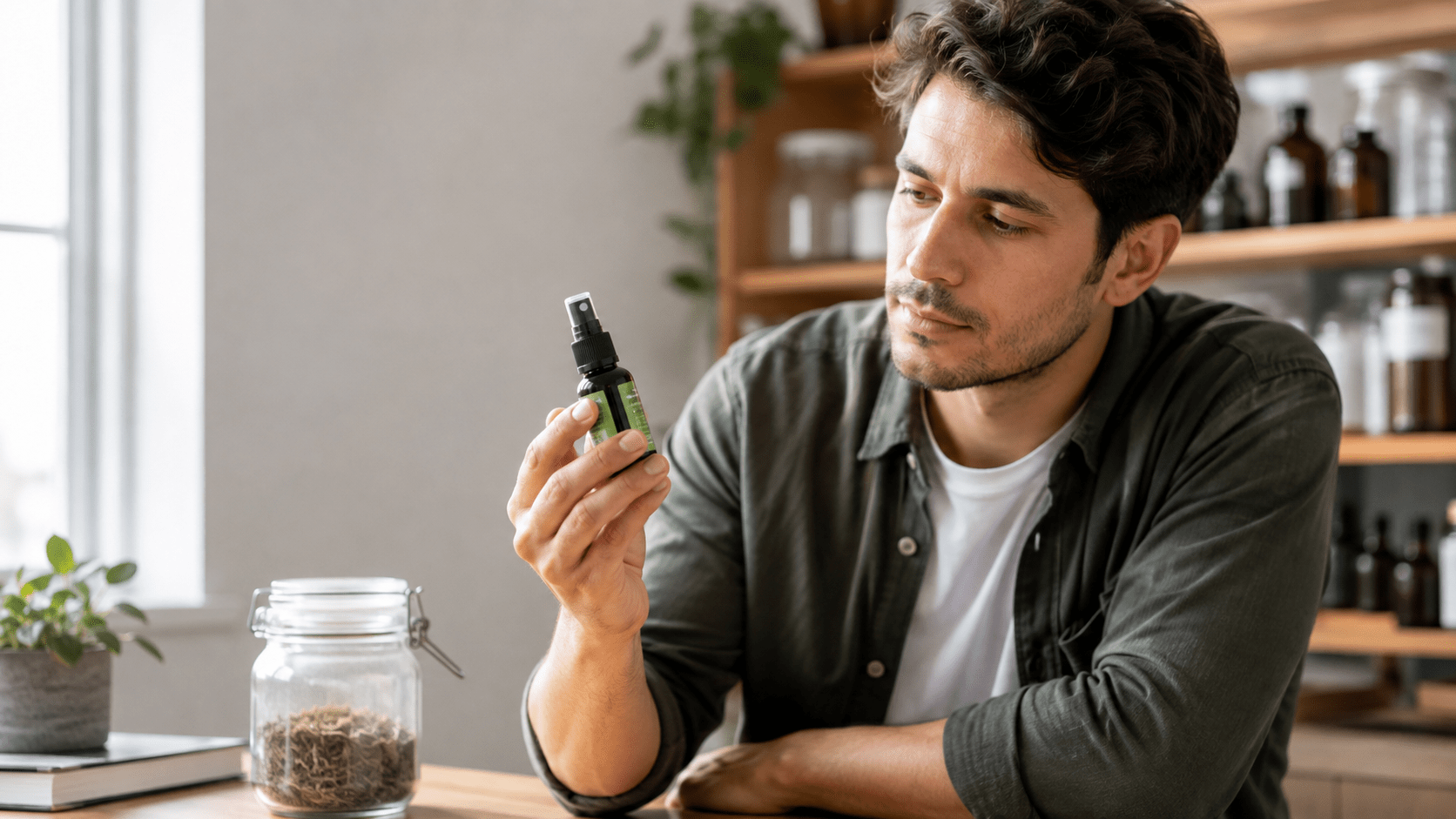
How Long Does K2 Spray Last? Storage and Shelf Life Tips
Introduction: The Longevity Question Every User Needs Answered
You bought a bottle of K2 spray, used part of it, and now it sits in your drawer. You’re wondering if it’s still effective, safe to handle, or if time and heat have silently destroyed the active compounds. You are not alone in asking how long does K2 spray last, and the answers you find online are usually vague, promotional, or flat-out wrong.
How Long Does K2 Spray Last? The Real Timeline
The short answer is: it depends on formulation quality, carrier solvents, exposure to oxygen, light, temperature, and container integrity. But that is not useful. Here is the practical breakdown.
The Unopened Shelf Life Window
In our experience, an unopened, factory-sealed bottle of K2 spray typically dissolved in acetone, ethanol, or a proprietary solvent blend retains its intended chemical profile for approximately 12 to 24 months from the date of manufacture if kept in ideal conditions.
- Months 0–6: Peak chemical consistency. The synthetic cannabinoid (often a JWH or AM-series analog) remains fully dissolved and evenly distributed.
- Months 6–12: Gradual solvent evaporation risk if the seal is imperfect. Oxidation may begin altering the active compound.
- Months 12–24: Significant degradation is likely. The spray may still contain active material, but concentration becomes unpredictable.
The Opened Bottle Reality
Once opened, exposure to oxygen and humidity accelerates breakdown. The clock shrinks dramatically.
- Months 0–3 after opening: Generally stable if immediately resealed and stored correctly.
- Months 3–6: Noticeable changes in viscosity, smell, and spray consistency are common.
- Months 6+: We do not recommend relying on chemical consistency. Oxidation and solvent loss make dosing unpredictable.
What Actually Causes K2 Spray to Degrade?
To understand shelf life, you must understand the enemies of stability: oxygen, light, heat, and moisture.
Many users assume synthetic cannabinoids are “stable chemicals” like table salt. They are not. They are complex organic molecules vulnerable to oxidation, hydrolysis, and photodegradation.
Oxidation and Air Exposure
Every time you open the bottle, oxygen enters. Synthetic cannabinoids contain reactive structures particularly indole and naphthol groups that can oxidize. Oxidation does not just reduce potency; it can create unknown byproducts.
Photodegradation (Light Damage)
UV light breaks chemical bonds. A bottle left on a windowsill can suffer measurable degradation in weeks, not months.
Thermal Stress
Heat accelerates every chemical reaction. A bottle stored in a car, near electronics, or in direct sunlight can experience solvent evaporation and compound breakdown simultaneously.
Moisture and Contamination
If the spray is applied to herbal substrates and then stored, residual moisture promotes mold and microbial growth separate from chemical degradation, but equally important for safety.
1. Temperature Control
Store between 60°F and 70°F (15°C–21°C). Avoid refrigeration unless the manufacturer specifies it temperature cycling from fridge to room temperature creates condensation inside the bottle.
2. Light Elimination
Use an amber or opaque glass container. If your bottle is clear plastic, transfer the liquid or wrap the container in aluminum foil and place it inside a light-blocking box.
3. Air Minimization
After each use, seal tightly. For long-term storage of a partially used bottle, consider transferring to a smaller container to reduce headspace (the air gap above the liquid).
Expert Corner: In our experience, users who decant large bottles into 10ml amber dropper bottles extend usable consistency by 30–50% simply by reducing oxygen exposure per opening.
4. Humidity and Substrate Separation
If you are spraying onto plant material, do not store the sprayed material in airtight plastic bags immediately after application. Allow it to dry completely in a dark, ventilated space first then store in airtight containers with desiccant packs.
How to Tell If Your K2 Spray Has Expired or Degraded
There is no “best by” date that guarantees safety, but there are observable indicators.
- Color shift: A clear or lightly tinted liquid turning dark amber, brown, or cloudy suggests oxidation.
- Odor change: A sharp chemical smell turning musty, sour, or unusually harsh indicates degradation.
- Consistency issues: Separation of layers, crystallization, or unexpected viscosity changes mean the solvent system has broken down.
- Performance variability: If effects become unpredictable either much weaker or unexpectedly intense—this signals uneven compound distribution, a serious risk factor.
Pitfall Alert: Do not assume “stronger smell means stronger product.” In synthetic cannabinoid chemistry, a harsher odor often indicates breakdown products rather than intact active material.
K2 Spray Shelf Life and Legal Context
We must address reality directly. Synthetic cannabinoids including those marketed as K2, Spice, or herbal incense are controlled or banned in many jurisdictions. Their legal status shifts frequently, and chemical analogs are often designed specifically to circumvent existing regulations.
In our experience, users searching for storage tips are often attempting to preserve an expensive or hard-to-obtain supply. From a harm-reduction perspective, knowing stability timelines is practical. From a legal perspective, possession and use carry significant risk depending on location.
For authoritative regulatory context, refer to resources such as the U.S. Drug Enforcement Administration (DEA) scheduling updates and the National Institute on Drug Abuse (NIDA) synthetic cannabinoid research portals.
Can You Extend Shelf Life Through Freezing?
Short answer: Not reliably.
While freezing slows chemical reactions, it introduces risks:
- Solvent separation upon thawing
- Condensation introducing water contamination
- Container cracking (especially with glass in rapid temperature shifts)
If you must freeze for extreme long-term preservation, use a tightly sealed container, allow it to reach room temperature without opening, and shake gently after full thaw. But for most users, stable cool dark storage outperforms freezing.
Safety, Handling, and Health Considerations
Synthetic cannabinoid sprays are not standardized pharmaceutical products. Batch-to-batch variation is extreme, and degradation byproducts are unstudied in human exposure contexts.
- Always use gloves and ventilation when handling liquid sprays. Solvents like acetone are volatile and toxic.
- Never apply degraded, discolored, or separated spray. The risk profile of unknown byproducts is higher than the risk of wasting material.
- If sprayed substrate shows mold, discard immediately. Mold on synthetic cannabinoid-treated plant matter can produce mycotoxins.
Key Takeaway: Shelf life is not just about potency it is about chemical predictability. Once predictability is lost, safety is compromised.
FAQ: How Long Does K2 Spray Last? (Schema-Ready)
Q1: How long does K2 spray last if unopened?
A: Typically 12–24 months in cool, dark, sealed conditions. After that, chemical stability declines.
Q2: How long does K2 spray last after opening?
A: Generally 3–6 months if immediately resealed and stored properly. Exposure to air and light accelerates degradation.
Q3: Can K2 spray go bad or expire?
A: Yes. Oxidation, evaporation, and contamination can alter the chemical profile, making effects unpredictable and potentially increasing risk.
Q4: What is the best way to store K2 spray for shelf life?
A: In an airtight, opaque container at 60–70°F, away from sunlight, humidity, and heat sources.
Q5: Why does my K2 spray smell different now?
A: A changed odor usually indicates oxidation or solvent breakdown—signs that the chemical profile has shifted.
Q6: Does refrigeration extend K2 spray shelf life?
A: Not necessarily. Temperature cycling creates condensation. Consistent cool storage is better than refrigeration.
Q7: Is expired K2 spray dangerous?
A: Degraded spray contains unknown chemical byproducts and unpredictable potency. From a harm-reduction standpoint, do not use material that shows visible or olfactory degradation.
Conclusion & CTA
You came here asking how long does K2 spray last, and now you have a complete framework: 12–24 months unopened, 3–6 months opened, degraded by oxygen, light, heat, and moisture, preserved through airtight opaque storage at stable temperatures.
More importantly, you now understand that shelf life is not just about “strength” it is about chemical consistency, predictability, and risk management. In our experience, users who apply disciplined storage protocols protect both their investment and their safety far more effectively than those who leave bottles in drawers, cars, or windowsills.