


Blog
The Ultimate Guide to Herbal Ecstasy: Effects, Uses, and Safety
Contents
- 1. The Ultimate Guide to Herbal Ecstasy: Effects, Uses, and Safety
- 1.1. What Is Herbal Ecstasy?
- 1.2. Common Ingredients in Herbal Ecstasy Products
- 1.3. How Herbal Ecstasy Works in the Body
- 1.4. Herbal Ecstasy: Effects, Uses, and Safety
- 1.5. The Effects of Herbal Ecstasy: What to Expect
- 1.6. Safety Concerns and Side Effects of Herbal Ecstasy
- 1.6.1. The Reality: Herbal ≠ Safe
- 1.6.2. Physical Side Effects
- 1.6.3. Psychological Side Effects
- 1.6.4. Long-Term Risks
- 1.6.5. When to Seek Medical Help
- 1.6.6. Drug Interactions: A Deadly Risk
- 1.6.7. 🇺🇸 United States
- 1.6.8. 🇪🇺 European Union
- 1.6.9. 🇨🇦 Canada
- 1.6.10. 🇬🇧 United Kingdom
- 1.6.11. 🇦🇺 Australia
- 1.6.12. Other Countries
- 1.6.13. How to Check the Legality in Your Area
- 1.7. How to Use Herbal Ecstasy Safely (If You Choose To)
- 1.7.1. Step 1: Research the Product Thoroughly
- 1.7.2. Step 2: Start Low and Go Slow
- 1.7.3. Step 3: Set and Setting (Environment Matters)
- 1.7.4. Step 4: Hydration and Nutrition
- 1.7.5. Step 5: Avoid Mixing Substances
- 1.7.6. Step 6: Know the Risks and Warning Signs
- 1.7.7. Step 7: Take Breaks and Avoid Regular Use
- 1.7.8. 1. Natural Mood Enhancers (Non-Substance Options)
- 1.7.9. 2. Safer Herbal Supplements (Single-Ingredient Options)
- 1.7.10. 3. Legal and Regulated Alternatives
- 1.7.11. 4. Professional Support for Mental Health
- 1.7.12. Pro Tips
- 1.7.13. Warnings
- 1.8. FAQ: Your Top Questions About Herbal Ecstasy Answered
- 1.8.1. Q1: What is herbal ecstasy made of?
- 1.8.2. Q2: Is herbal ecstasy legal?
- 1.8.3. Q5: What are the most common side effects of herbal ecstasy?
- 1.8.4. Q6: How long does herbal ecstasy stay in your system?
- 1.8.5. Q7: Is herbal ecstasy safe to use with other medications?
- 1.8.6. Q8: Can herbal ecstasy cause a positive drug test?
- 1.8.7. Q9: How can I tell if a herbal ecstasy product is safe?
- 1.8.8. Q10: What are the best natural alternatives to herbal ecstasy?
- 1.9. Conclusion: Making Informed Decisions About Herbal Ecstasy
The Ultimate Guide to Herbal Ecstasy: Effects, Uses, and Safety
You’re here because you’re curious about herbal ecstasy what it is, how it feels, and whether it’s safe. Maybe you’ve heard it’s a natural, legal alternative to ecstasy, or perhaps you’re concerned about a friend or loved one who’s using it.
Here’s the truth: Herbal ecstasy is a complex and often misunderstood substance. While it’s marketed as a harmless, plant-based high, the reality is far more nuanced. In this ultimate guide, we’ll cut through the noise to give you the facts no hype, no hidden agendas. You’ll learn exactly what herbal ecstasy is, how it affects your body and mind, its potential benefits and dangers, and how to navigate its use safely (if you choose to at all).
What Is Herbal Ecstasy?
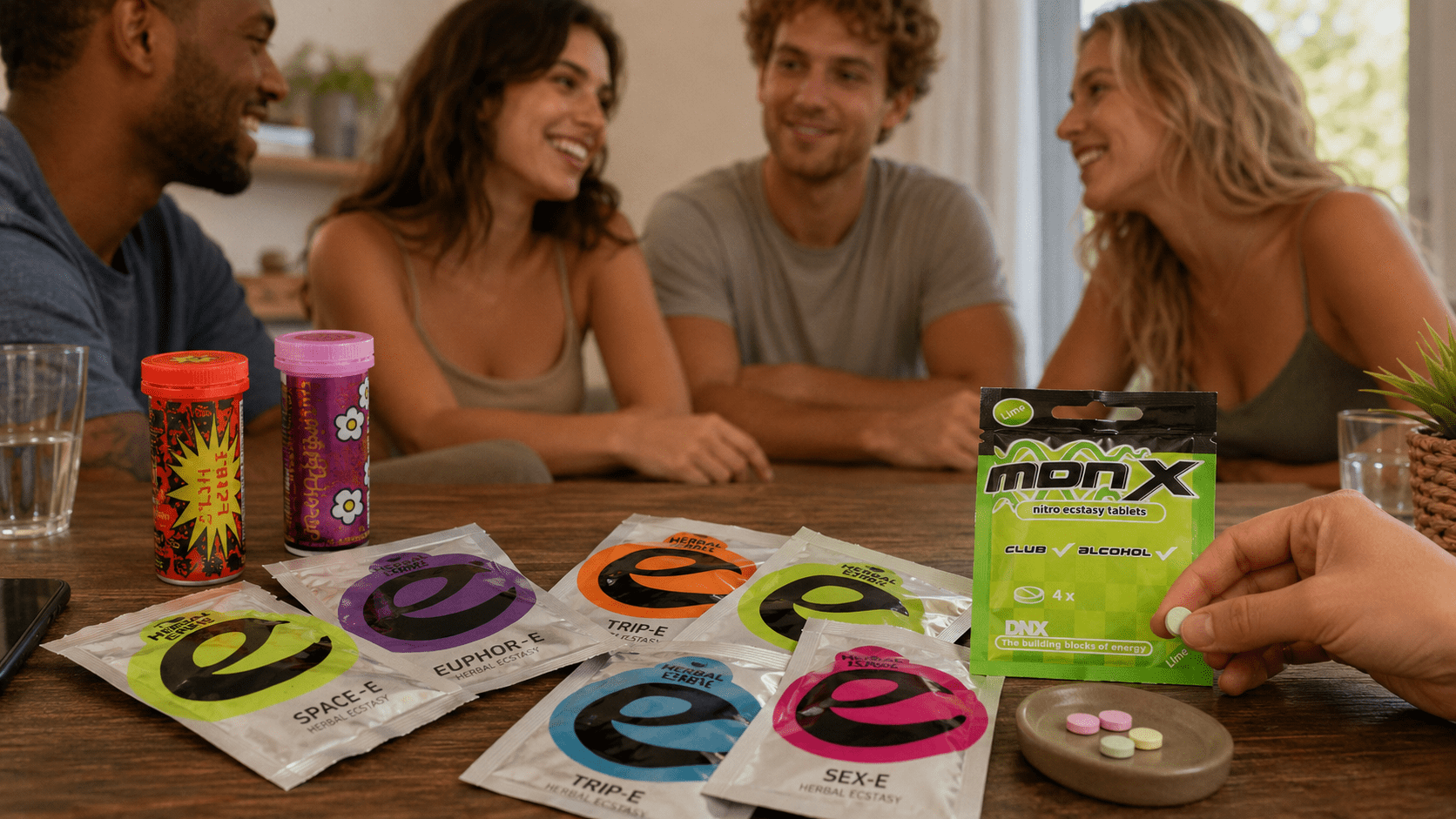
Herbal ecstasy is a term used to describe a variety of herbal or plant-based products marketed as legal alternatives to ecstasy (MDMA). These products first gained popularity in the late 1990s and early 2000s as part of the “legal high” movement, offering users a way to experience stimulant-like effects without breaking the law.
Unlike MDMA, which is a synthetic drug with a specific chemical structure, herbal ecstasy is typically a blend of multiple herbs and natural stimulants. The exact ingredients can vary widely between products, which is one of the biggest challenges when it comes to safety and predictability.
Common Names for Herbal Ecstasy:
- Herbal X
- Legal X
- Cloud Nine
- Herbal Bliss
- Natural Ecstasy
Common Ingredients in Herbal Ecstasy Products
The effects of herbal ecstasy depend largely on its ingredients. While formulations vary, here are some of the most common components you’ll find in these products:
1. Ephedra (Ma Huang)
- What it is: A plant-based stimulant used for centuries in traditional Chinese medicine.
- Effects: Increases energy, alertness, and metabolism. Can also suppress appetite.
- Risks:
- Linked to serious cardiovascular issues, including heart attacks and strokes.
- Can cause high blood pressure, arrhythmias, and seizures.
- Interactions:
- Dangerously interacts with other stimulants (e.g., caffeine, pseudoephedrine).
- Contraindicated for people with heart conditions, high blood pressure, or thyroid disorders.
- Legal Status: Banned by the FDA in the U.S. (2004) and restricted in many other countries.
2. Guarana
- What it is: A plant native to the Amazon, known for its high caffeine content (up to 4-6 times more than coffee beans).
- Effects:
- Stimulant effects similar to caffeine: increased energy, focus, and alertness.
- Can also act as a mild diuretic.
- Risks:
- Can cause jitteriness, insomnia, and increased heart rate.
- Overdose risk if combined with other caffeine sources (e.g., coffee, energy drinks).
- Interactions:
- Enhances the effects of other stimulants, increasing the risk of overstimulation.
3. Kava
- What it is: A root from the Pacific Islands, traditionally used for its calming and sedative effects.
- Effects:
- Promotes relaxation and reduces anxiety.
- Can induce a mild euphoric state.
- May cause drowsiness.
- Risks:
- Liver toxicity with prolonged or high-dose use (leading to bans in the EU and Canada).
- Can cause dizziness, dry mouth, and impaired coordination.
- Interactions:
- Enhances the effects of alcohol and sedatives, increasing the risk of respiratory depression.
4. St. John’s Wort
- What it is: A flowering plant used historically for mood enhancement and depression.
- Effects:
- May improve mood and reduce symptoms of mild depression (though evidence is mixed).
- Can cause photosensitivity (increased sensitivity to sunlight).
- Risks:
- Can trigger mania in individuals with bipolar disorder.
- May cause serotonin syndrome when combined with other antidepressants.
- Interactions:
- Interacts with a wide range of medications, including:
- Antidepressants (SSRIs, MAOIs)
- Birth control pills (reduces effectiveness)
- Blood thinners (e.g., warfarin)
- HIV medications
- Immunosuppressants (e.g., cyclosporine)
- Interacts with a wide range of medications, including:
5. Yohimbe
- What it is: Bark from an African tree, traditionally used as an aphrodisiac and stimulant.
- Effects:
- Increases blood flow and libido.
- Has stimulant properties (increases heart rate and blood pressure).
- Risks:
- Can cause high blood pressure, rapid heart rate, anxiety, and hallucinations.
- Overdose risk is high due to unpredictable potency in supplements.
- Interactions:
- Dangerously interacts with:
- Heart medications
- Antidepressants (especially MAOIs)
- Stimulants (e.g., caffeine, ephedra)
- Dangerously interacts with:
6. Damiana
- What it is: A shrub native to Mexico and Central America, traditionally used as an aphrodisiac and mood enhancer.
- Effects:
- Mild euphoria and relaxation.
- May increase sensuality and libido.
- Risks:
- Generally safe in moderate doses, but high doses can cause nausea or digestive upset.
- May lower blood sugar levels (caution for diabetics).
- Interactions:
- Few known interactions, but caution is advised when combined with sedatives or diabetes medications.
7. Catnip
- What it is: A plant in the mint family, known for its effects on cats but also consumed by humans for mild psychoactive effects.
- Effects:
- Can cause mild euphoria, relaxation, or hallucinations in some individuals.
- Effects are highly variable—some people feel nothing, while others report strong experiences.
- Risks:
- Generally safe in small doses, but high doses can cause nausea, dizziness, or headaches.
- Interactions:
- Few known interactions, but effects can be unpredictable.
Other Potential Ingredients
Some herbal ecstasy products may also contain:
- Ginseng: Often included for its energy-boosting properties, but can cause insomnia or digestive upset.
- Ginkgo Biloba: May improve cognitive function, but can increase bleeding risk (avoid if taking blood thinners).
- Passionflower: Used for its calming effects, but can cause drowsiness.
- Siberian Ginseng (Eleuthero): An adaptogen that may reduce fatigue, but can raise blood pressure.
How Herbal Ecstasy Works in the Body
Herbal ecstasy affects the body and mind through the combined actions of its ingredients. Most of these ingredients fall into one or more of the following categories:
1. Stimulants (Energy Boosters)
Ingredients like ephedra, guarana, and yohimbe work by:
- Stimulating the central nervous system (CNS), leading to increased heart rate, blood pressure, and energy levels.
- Releasing adrenaline and norepinephrine, which enhance alertness and physical performance.
- Blocking adenosine receptors (in the case of caffeine from guarana), which prevents drowsiness.
Effects:
✅ Increased energy and alertness
✅ Enhanced focus and motivation
❌ Jitteriness, anxiety, or heart palpitations
❌ Insomnia or sleep disturbances
2. Mood Enhancers (Serotonin & Dopamine Modulators)
Herbs like St. John’s Wort, damiana, and kava may affect neurotransmitters such as:
- Serotonin: Regulates mood, sleep, and appetite.
- Dopamine: Influences pleasure, motivation, and reward.
- GABA: A calming neurotransmitter that reduces anxiety.
Effects:
✅ Elevated mood or euphoria
✅ Reduced anxiety or stress
❌ Serotonin syndrome (if combined with SSRIs or other serotonin-boosting drugs)
❌ Mood swings or emotional instability
3. Sedatives/Relaxants (Calming Agents)
Ingredients like kava and passionflower work by:
- Enhancing GABA activity, which slows down brain activity and promotes relaxation.
- Reducing excitability in the nervous system.
Effects:
✅ Relaxation and reduced anxiety
✅ Mild sedation or drowsiness
❌ Dizziness or impaired coordination
❌ Liver toxicity (especially with kava)
4. Aphrodisiacs (Libido Enhancers)
Herbs like yohimbe and damiana are believed to:
- Increase blood flow to genital areas.
- Stimulate nerve endings, enhancing sensitivity.
- Boost testosterone or dopamine levels, which may increase desire.
Effects:
✅ Increased libido or sexual arousal
❌ High blood pressure or heart strain (especially with yohimbe)
❌ Anxiety or agitation
Synergistic Effects: Why Herbal Ecstasy Is Unpredictable
The combined effects of multiple ingredients can lead to:
- Enhanced stimulation (if multiple stimulants are present).
- Balanced effects (e.g., stimulants + sedatives may create a “high” without excessive jitters).
- Unpredictable reactions (e.g., one ingredient may mask the effects of another, leading to overdose risk).
Timeline of Effects
| Phase | Timeframe | Effects |
|---|---|---|
| Onset | 30 min – 1 hour | Initial stimulation (increased energy, mood lift). |
| Peak | 1-3 hours | Strongest effects (euphoria, heightened senses, sociability). |
| Plateau | 3-5 hours | Effects stabilize (may include relaxation or continued stimulation). |
| Comedown | 5-8 hours | Gradual return to baseline (fatigue, irritability, or mood drop). |
| Aftereffects | Up to 24 hours | Possible hangover-like symptoms (headache, fatigue, anxiety). |
Herbal Ecstasy: Effects, Uses, and Safety
The Effects of Herbal Ecstasy: What to Expect
The effects of herbal ecstasy can vary widely from person to person and from product to product. However, users typically report a combination of the following:
Positive Effects (As Reported by Some Users)
- Increased energy and alertness (similar to caffeine or amphetamines).
- Elevated mood or euphoria (though usually milder than MDMA).
- Enhanced sociability and talkativeness (feeling more outgoing).
- Heightened sensory perception (e.g., music sounds better, colors seem brighter).
- Mild hallucinations or visual distortions (in some cases, especially with high doses).
- Increased libido or sexual arousal (due to aphrodisiac herbs like yohimbe or damiana).
Negative Effects (Short-Term)
| Category | Effects |
|---|---|
| Cardiovascular | Increased heart rate, high blood pressure, heart palpitations. |
| Neurological | Anxiety, paranoia, panic attacks, dizziness, headaches. |
| Gastrointestinal | Nausea, vomiting, stomach discomfort, diarrhea. |
| Psychological | Mood swings, irritability, restlessness, insomnia. |
| Physical | Dehydration, excessive sweating, tremors, muscle tension. |
Long-Term Effects & Risks
| Risk | Details |
|---|---|
| Tolerance | With regular use, the body can develop tolerance, requiring higher doses for the same effects. |
| Dependence | While not as physically addictive as some drugs, psychological dependence can develop. |
| Cardiovascular Strain | Prolonged use of stimulants (e.g., ephedra, guarana) can lead to heart damage, arrhythmias, or hypertension. |
| Liver/Kidney Damage | Herbs like kava and ephedra have been linked to liver toxicity and kidney strain. |
| Mental Health Issues | Regular use can worsen anxiety, depression, or bipolar disorder. |
| Unknown Contaminants | Unregulated products may contain synthetic drugs, heavy metals, or other harmful substances. |
User Reports: What Do People Experience?
While individual experiences vary, here’s a general breakdown of what users report:
| Dose | Effects | Duration | Common Side Effects |
|---|---|---|---|
| Low Dose (e.g., 1 capsule) | Mild energy boost, slight mood lift | 2-4 hours | Jitteriness, dry mouth |
| Moderate Dose (e.g., 2 capsules) | Euphoria, sociability, sensory enhancement | 4-6 hours | Anxiety, nausea, increased heart rate |
| High Dose (e.g., 3+ capsules) | Strong stimulation, hallucinations (rare) | 6-8+ hours | Panic attacks, dehydration, overheating |
Common Uses of Herbal Ecstasy
Herbal ecstasy is used for a variety of reasons, both recreational and (in some cases) medicinal. Here are some of the most common uses:
Recreational Use
- Party or Social Settings:
- Many users take herbal ecstasy at parties, concerts, or social gatherings to enhance their experience, increase energy, and promote sociability.
- Some report that it makes music sound better and social interactions more enjoyable.
- Mood Enhancement:
- Some people use it to lift their mood or combat feelings of depression or anxiety (though this is not recommended without professional guidance).
Aphrodisiac
- Some ingredients in herbal ecstasy, like yohimbe and damiana, are traditionally used as aphrodisiacs.
- Users may take these products to:
- Enhance libido or sexual desire.
- Improve sexual performance or stamina.
- Increase sensitivity or pleasure.
Legal Alternative to Ecstasy (MDMA)
- For those who are curious about the effects of MDMA but want to avoid illegal substances, herbal ecstasy is often marketed as a legal alternative.
- However, the effects are not comparable—herbal ecstasy lacks the strong emotional and empathogenic effects of MDMA.
Self-Experimentation
- Some individuals are simply curious about the effects of herbal ecstasy and try it out of interest in altered states of consciousness or natural highs.
- Others may use it as part of spiritual or meditative practices (though this is less common).
Safety Concerns and Side Effects of Herbal Ecstasy
While herbal ecstasy is often perceived as safer than illegal drugs because of its natural origins, this is a dangerous misconception.
The Reality: Herbal ≠ Safe
Just because something is “natural” or “herbal” does not mean it’s safe. Many poisonous substances (e.g., hemlock, belladonna) are 100% natural—but that doesn’t make them harmless.
Here’s what you need to know about the safety risks of herbal ecstasy:
Physical Side Effects
| Risk | Details | Severity |
|---|---|---|
| Cardiovascular Issues | Increased heart rate, high blood pressure, heart palpitations, or arrhythmias. | ⚠️ High Risk (especially with ephedra, yohimbe, or guarana) |
| Dehydration | Stimulants cause excessive sweating and fluid loss. | ⚠️ Moderate Risk (can lead to heatstroke or kidney damage) |
| Overheating | Combined with physical activity (e.g., dancing), stimulants can cause dangerous overheating. | ⚠️ High Risk (can lead to heatstroke or death) |
| Liver Damage | Kava and ephedra have been linked to liver toxicity, including hepatitis and liver failure. | ⚠️ High Risk (especially with prolonged or high-dose use) |
| Kidney Damage | The kidneys must filter out toxins from herbal ecstasy, leading to strain or damage over time. | ⚠️ Moderate Risk |
| Digestive Issues | Nausea, vomiting, stomach cramps, or diarrhea. | ⚠️ Moderate Risk |
| Seizures | In rare cases, stimulant overdose can lead to seizures or convulsions. | ⚠️ High Risk |
Psychological Side Effects
| Risk | Details | Severity |
|---|---|---|
| Anxiety & Paranoia | Stimulants can trigger or worsen anxiety, leading to panic attacks or paranoid thoughts. | ⚠️ High Risk (especially in those with pre-existing anxiety) |
| Mood Swings | The comedown from herbal ecstasy can cause irritability, depression, or emotional instability. | ⚠️ Moderate Risk |
| Hallucinations | High doses of certain herbs (e.g., catnip, damiana, or yohimbe) may cause mild hallucinations or visual distortions. | ⚠️ Moderate Risk |
| Psychosis | In rare cases, herbal ecstasy can trigger psychotic episodes (e.g., delusions, extreme paranoia). | ⚠️ High Risk (especially in those with underlying mental health conditions) |
| Insomnia | Stimulants can disrupt sleep patterns, leading to chronic insomnia with regular use. | ⚠️ Moderate Risk |
Long-Term Risks
| Risk | Details |
|---|---|
| Addiction & Dependence | While not as physically addictive as some drugs, psychological dependence can develop. Users may feel they need herbal ecstasy to function socially or emotionally. |
| Tolerance | Over time, the body adapts to the effects, requiring higher doses to achieve the same high. This increases the risk of overdose or adverse reactions. |
| Organ Damage | Prolonged use can lead to long-term damage to the heart, liver, kidneys, or nervous system. |
| Mental Health Decline | Regular use can worsen underlying mental health conditions, such as depression, anxiety, or bipolar disorder. |
| Unknown Contaminants | Since herbal ecstasy is unregulated, some products may contain synthetic drugs (e.g., MDMA, synthetic cannabinoids), heavy metals, or other harmful substances. |
When to Seek Medical Help
If you or someone else experiences any of the following after taking herbal ecstasy, seek emergency medical attention immediately:
✅ Chest pain or irregular heartbeat (possible heart attack or arrhythmia)
✅ Severe anxiety, paranoia, or panic attacks (possible psychotic reaction)
✅ High fever (above 103°F / 39.4°C) or excessive sweating (possible heatstroke)
✅ Seizures or loss of consciousness
✅ Severe nausea, vomiting, or diarrhea (possible toxic reaction)
✅ Signs of an allergic reaction (e.g., rash, swelling, difficulty breathing)
✅ Confusion, disorientation, or hallucinations (possible overdose or adverse reaction)
Drug Interactions: A Deadly Risk
One of the biggest dangers of herbal ecstasy is its potential to interact with other substances, including:
- Prescription medications (e.g., antidepressants, heart medications, blood thinners)
- Over-the-counter drugs (e.g., cold medicine, pain relievers)
- Alcohol
- Other recreational drugs (e.g., cannabis, cocaine, MDMA)
- Other herbal supplements (e.g., St. John’s Wort + SSRIs = serotonin syndrome risk)
Dangerous Drug Interactions
| Herb in Herbal Ecstasy | Interacts With | Risk |
|---|---|---|
| Ephedra | Heart medications, stimulants, MAOIs | Heart attack, stroke, or fatal arrhythmia |
| Guarana (Caffeine) | Other stimulants, ADHD meds, pre-workout supplements | Overstimulation, seizures, or heart failure |
| Kava | Alcohol, sedatives, antidepressants | Excessive sedation, respiratory depression, or liver toxicity |
| St. John’s Wort | SSRIs, MAOIs, birth control, blood thinners | Serotonin syndrome, reduced medication effectiveness, or bleeding risk |
| Yohimbe | Heart medications, antidepressants, stimulants | Dangerously high blood pressure, heart attack, or stroke |
Legal Status of Herbal Ecstasy
The legal status of herbal ecstasy varies widely depending on:
- Your country or state
- The specific ingredients in the product
Here’s a breakdown of the legal landscape in different regions:
🇺🇸 United States
| Ingredient | Legal Status | Notes |
|---|---|---|
| Ephedra | Banned (FDA, 2004) | Illegal to sell or possess in dietary supplements. |
| Guarana | Legal | No restrictions, but caffeine content must be disclosed. |
| Kava | Legal (with restrictions) | Some states (e.g., New York) have banned or restricted kava due to liver toxicity concerns. |
| St. John’s Wort | Legal | No restrictions, but interactions with medications are a concern. |
| Yohimbe | Legal (with restrictions) | Banned in some states (e.g., California) for over-the-counter sales. |
| Damiana | Legal | No restrictions. |
| Catnip | Legal | No restrictions. |
💡 Expert Corner: The FDA has cracked down on products marketed as “legal highs” or “herbal ecstasy” if they make unproven health claims or contain banned ingredients like ephedra.
🇪🇺 European Union
- Ephedra: Banned in most EU countries.
- Kava: Banned in the EU since 2002 due to liver toxicity concerns.
- Other Herbs: Generally legal, but restrictions apply in some countries (e.g., Germany, France).
- Marketing: Products cannot be sold as “legal highs” or for human consumption in some countries.
🇨🇦 Canada
- Ephedra: Banned (Health Canada, 2002).
- Kava: Restricted (requires a prescription in some cases).
- Other Herbs: Generally legal, but health warnings may apply.
🇬🇧 United Kingdom
- Ephedra: Banned (Medicines and Healthcare products Regulatory Agency, 2008).
- Kava: Banned (2002).
- Other Herbs: Generally legal, but sales restrictions may apply.
🇦🇺 Australia
- Ephedra: Banned (Therapeutic Goods Administration, 2004).
- Kava: Banned (2002).
- Other Herbs: Some (e.g., yohimbe) are restricted and require a prescription.
Other Countries
- New Zealand: Ephedra and kava are banned.
- India: Some herbs (e.g., ephedra) are restricted.
- Brazil: Guarana is legal and widely used, but other herbs may have restrictions.
How to Check the Legality in Your Area
- Consult Government Websites:
- U.S.: FDA or DEA
- EU: European Medicines Agency (EMA)
- Canada: Health Canada
- UK: MHRA
- Check Local Laws:
- Some states or provinces have additional restrictions beyond national laws.
- Ask a Legal Professional:
- If you’re unsure, consult a lawyer or legal expert in your area.
How to Use Herbal Ecstasy Safely (If You Choose To)
Important Disclaimer:
There is no completely safe way to use herbal ecstasy. The only way to guarantee safety is to avoid it entirely. However, if you still decide to use it, the following harm reduction strategies can help minimize (but not eliminate) risks.
Step 1: Research the Product Thoroughly
Before using any herbal ecstasy product, do your homework:
Check the Ingredients List:
- Look for full transparency—avoid “proprietary blends” where ingredient amounts are not disclosed.
- Research each ingredient individually to understand its effects, risks, and interactions.
Look for Third-Party Testing: - Some reputable manufacturers have their products tested by independent labs (e.g., ISO-certified laboratories).
- Look for Certificates of Analysis (COAs) that verify purity and potency.
Read Reviews & User Reports: - Check online forums (e.g., Reddit, Erowid) for firsthand experiences with the product.
- Be cautious—individual experiences can vary widely.
Step 2: Start Low and Go Slow
- Dosage Guidelines:
- First-time users: Start with half the recommended dose (or even a quarter) to test your sensitivity.
- Wait at least 1-2 hours before considering taking more. Effects can be delayed.
- Never exceed the recommended dose—overdose risk is real.
- Avoid Redosing:
- If you don’t feel effects immediately, do not take more. Some ingredients (e.g., kava) take longer to kick in.
- Redosing increases the risk of overdose and adverse reactions.
Expert Corner: Body weight, metabolism, and tolerance all affect how you respond to herbal ecstasy. A dose that’s safe for one person could be dangerous for another.
Step 3: Set and Setting (Environment Matters)
- Safe Environment:
- Use in a comfortable, familiar, and safe place (e.g., your home, not a club or festival).
- Avoid driving, operating machinery, or swimming while under the influence.
- Trusted Company:
- If using recreationally, do so with trusted friends who can help if something goes wrong.
- Never use alone—if you have an adverse reaction, you’ll need someone to call for help.
- Mental State:
- Only use when you’re in a positive, stable mental state.
- Avoid using if you’re stressed, anxious, or depressed—herbal ecstasy can worsen these feelings.
Step 4: Hydration and Nutrition
- Stay Hydrated:
- Drink water regularly to prevent dehydration (a common side effect of stimulants).
- But don’t overdo it—overhydration (hyponatremia) can be just as dangerous as dehydration.
- Eat Light:
- Have a light meal or snack before and after using to stabilize blood sugar and reduce nausea.
- Avoid heavy or greasy foods, which can worsen stomach discomfort.
Step 5: Avoid Mixing Substances
- Alcohol:
- Never mix herbal ecstasy with alcohol—this can increase the risk of dehydration, overheating, and respiratory depression.
- Other Drugs:
- Never mix with prescription medications, over-the-counter drugs, or illegal substances.
- Even caffeine (from coffee, tea, or energy drinks) can be dangerous when combined with stimulant herbs.
- Other Herbal Supplements:
- Avoid mixing with other herbal products, as this can increase the risk of interactions.
Step 6: Know the Risks and Warning Signs
- Understand the Risks:
- Be fully aware of the potential side effects and risks associated with the specific ingredients in your product.
- Recognize Warning Signs:
- Physical: Chest pain, rapid heartbeat, high blood pressure, difficulty breathing, seizures.
- Psychological: Severe anxiety, paranoia, hallucinations, confusion.
- If any of these occur, seek medical help immediately.
Step 7: Take Breaks and Avoid Regular Use
- Avoid Daily Use:
- Tolerance builds quickly—regular use can lead to needing higher doses for the same effects.
- Dependence can develop, making it hard to stop.
- Take Long Breaks:
- If you choose to use herbal ecstasy, limit use to rare occasions (e.g., once every few months).
- Avoid binge use (e.g., using multiple days in a row).
⚠️ Final Warning: Even if you follow all these guidelines, there is no guarantee of safety. The only way to stay 100% safe is to avoid herbal ecstasy entirely.
Alternatives to Herbal Ecstasy
If you’re interested in the effects of herbal ecstasy but want to avoid the risks, there are safer alternatives to consider. Here are some healthier, lower-risk options:
1. Natural Mood Enhancers (Non-Substance Options)
| Alternative | Benefits | Risks |
|---|---|---|
| Exercise | Boosts endorphins, serotonin, and dopamine (natural mood lifters). | Low risk (overdoing it can cause injury). |
| Meditation & Mindfulness | Reduces stress and anxiety, improves focus and emotional well-being. | No risk (unless done in unsafe conditions). |
| Socializing | Increases oxytocin and serotonin, leading to happiness and connection. | Low risk (unless in unsafe social settings). |
| Music & Dance | Triggers dopamine release, enhancing pleasure and energy. | Low risk (unless combined with unsafe behaviors). |
| Nature Therapy (Forest Bathing) | Reduces stress and cortisol levels, improves mood and relaxation. | No risk. |
2. Safer Herbal Supplements (Single-Ingredient Options)
If you’re looking for herbal alternatives, consider single-ingredient supplements (which are easier to dose and monitor) instead of blends like herbal ecstasy.
| Herb | Effects | Safety Profile | Recommended Dosage |
|---|---|---|---|
| Rhodiola Rosea | Reduces fatigue, improves mood and focus. | Generally safe (avoid if pregnant or on antidepressants). | 200-400 mg/day |
| Ashwagandha | Reduces stress and anxiety, improves sleep and energy. | Generally safe (avoid if pregnant or on thyroid medications). | 300-500 mg/day |
| L-Theanine | Promotes relaxation without drowsiness, reduces anxiety. | Very safe (found in green tea). | 100-400 mg/day |
| Bacopa Monnieri | Enhances memory and cognitive function, reduces anxiety. | Generally safe (may cause mild nausea). | 300-600 mg/day |
| Valerian Root | Promotes relaxation and sleep. | Generally safe (may cause drowsiness). | 300-600 mg before bed |
| Chamomile | Reduces anxiety and promotes sleep. | Very safe (rare allergic reactions). | 1-2 cups of tea/day |
3. Legal and Regulated Alternatives
| Alternative | Effects | Legal Status (U.S.) | Risks |
|---|---|---|---|
| CBD (Cannabidiol) | Reduces anxiety, pain, and inflammation; promotes relaxation. | Legal (if derived from hemp, <0.3% THC) | Low risk (may cause drowsiness or dry mouth). |
| Kratom | Stimulant effects (low dose): Energy, focus. Sedative effects (high dose): Relaxation, pain relief. | Legal in most states (banned in some, e.g., Alabama, Arkansas) | Moderate risk (dependence, liver toxicity, interactions). |
| Kava (Regulated Sources) | Promotes relaxation and reduces anxiety. | Legal (but restricted in some states) | Moderate risk (liver toxicity with heavy use). |
| Lion’s Mane Mushroom | Enhances cognitive function, memory, and focus. | Legal | Low risk (mild digestive upset in some). |
4. Professional Support for Mental Health
If you’re using herbal ecstasy to cope with stress, anxiety, depression, or other mental health issues, consider seeking professional support instead. Some options include:
- Therapy (CBT, DBT, etc.) – Helps you develop coping strategies for emotional challenges.
- Support Groups – Provides community and understanding for those struggling with substance use or mental health.
- Psychiatrist or Doctor – Can prescribe safe, evidence-based medications if needed.
- Holistic Health Practitioners – Can recommend safe, natural approaches to mental wellness.
Pro Tips
- Know Your Source
- Only purchase herbal products from reputable suppliers who provide:
- Full ingredient lists (with exact amounts).
- Third-party lab testing results (COAs).
- Transparent manufacturing practices.
- Avoid buying from:
- Unknown online sellers (e.g., random eBay or Amazon listings).
- Gas stations or head shops (often sell low-quality or contaminated products).
- Only purchase herbal products from reputable suppliers who provide:
- Start with Single-Ingredient Products
- If you’re curious about the effects of a particular herb (e.g., kava or damiana), try it on its own first before combining it with other ingredients.
- This way, you can gauge your body’s reaction to each herb individually.
- Keep a Journal
- If you decide to experiment with herbal ecstasy or similar products, keep a detailed journal to track:
- Product name and ingredients
- Dosage and time taken
- Effects experienced (positive and negative)
- Duration of effects
- Any side effects or interactions
- This can help you identify patterns and avoid products or doses that cause adverse reactions.
- If you decide to experiment with herbal ecstasy or similar products, keep a detailed journal to track:
- Test for Allergies First
- Before taking a full dose, try a tiny amount (e.g., a pinch of the powder or a quarter of a capsule) to check for allergic reactions.
- Allergic reactions can include:
- Rash, itching, or hives
- Swelling (especially of the face, lips, or throat)
- Difficulty breathing
- If you experience any of these, seek medical help immediately.
- Stay Informed About Recall
- Some herbal supplements have been recalled due to contamination (e.g., heavy metals, synthetic drugs, or pesticides).
- Check the FDA’s recall list (FDA Recalls) before using any new product.
Warnings
- Avoid If You Have Health Conditions
- Do not use herbal ecstasy if you have any of the following:
- Heart conditions (e.g., arrhythmias, high blood pressure, heart disease)
- Liver or kidney disease
- Mental health disorders (e.g., anxiety, depression, bipolar disorder, schizophrenia)
- A history of substance abuse
- Diabetes (some herbs can affect blood sugar levels)
- Epilepsy or seizure disorders
- If you’re pregnant or breastfeeding
- Do not use herbal ecstasy if you have any of the following:
- Never Mix with Other Substances
- Herbal ecstasy + alcohol = Increased risk of dehydration, overheating, and respiratory depression.
- Herbal ecstasy + prescription medications = Dangerous interactions (e.g., serotonin syndrome, heart failure).
- Herbal ecstasy + other drugs (legal or illegal) = Unpredictable and potentially fatal effects.
- Beware of Contamination
- Because herbal ecstasy is unregulated, some products may be contaminated with:
- Synthetic drugs (e.g., MDMA, synthetic cannabinoids, or research chemicals).
- Heavy metals (e.g., lead, mercury, arsenic).
- Pesticides or mold.
- There have been cases where herbal ecstasy products contained illegal drugs, leading to overdoses or arrests.
- Because herbal ecstasy is unregulated, some products may be contaminated with:
- Watch for Addiction Signs
- While herbal ecstasy is not as physically addictive as some drugs, psychological dependence can still develop.
- Signs of dependence include:
- Feeling like you “need” herbal ecstasy to function or enjoy life.
- Using it more frequently or in higher doses than intended.
- Neglecting responsibilities (work, school, relationships) due to use.
- Continuing to use despite negative consequences (e.g., health issues, financial problems).
- If you recognize these signs in yourself or a loved one, seek help from a healthcare professional or addiction specialist.
- Avoid Driving or Operating Machinery
- Herbal ecstasy can impair judgment, coordination, and reaction time.
- Never drive, operate heavy machinery, or engage in activities that require full attention while under the influence.
FAQ: Your Top Questions About Herbal Ecstasy Answered
Here are detailed answers to the most frequently asked questions about herbal ecstasy. These are schema-ready for featured snippets in search results.
Q1: What is herbal ecstasy made of?
Herbal ecstasy is typically made from a blend of natural ingredients, often including:
- Stimulant herbs (e.g., ephedra, guarana, yohimbe) – Increase energy, heart rate, and alertness.
- Mood-enhancing herbs (e.g., St. John’s Wort, damiana) – May improve mood or reduce anxiety.
- Sedative herbs (e.g., kava, passionflower, catnip) – Promote relaxation or mild euphoria.
- Aphrodisiac herbs (e.g., yohimbe, damiana) – May increase libido or sexual arousal.
The exact composition varies by product, and some may include additional vitamins, minerals, or proprietary blends. Because these products are not regulated, the ingredients and their concentrations can vary widely between brands and even between batches of the same product.
Q2: Is herbal ecstasy legal?
The legality of herbal ecstasy depends on:
- Your location (country, state, or even city).
- The specific ingredients in the product.
Legal Status by Region
| Region | Legal Status | Notes |
|---|---|---|
| United States | Varies by ingredient | Ephedra is banned (FDA, 2004). Kava is restricted in some states. Other herbs are generally legal but may have sales restrictions. |
| European Union | Mostly banned or restricted | Ephedra and kava are banned. Other herbs may be legal but regulated. |
| Canada | Varies by ingredient | Ephedra is banned (Health Canada, 2002). Kava is restricted. |
| United Kingdom | Varies by ingredient | Ephedra and kava are banned. Other herbs are generally legal. |
| Australia | Varies by ingredient | Ephedra and kava are banned. Some herbs (e.g., yohimbe) are restricted. |
Q3: How does herbal ecstasy compare to real ecstasy (MDMA)?
| Factor | Herbal Ecstasy | MDMA (Ecstasy) |
|---|---|---|
| Chemical Nature | Natural blend of herbs (e.g., ephedra, guarana, kava). | Synthetic drug (3,4-methylenedioxymethamphetamine). |
| Effects | Mild stimulant, mood-enhancing, or sedative effects (varies by product). | Strong euphoria, emotional warmth, empathy, heightened sensory perception. |
| Potency | Weak to moderate (effects are usually milder and shorter-lived). | Strong (intense, long-lasting effects). |
| Duration | 4-6 hours (varies by ingredients). | 3-6 hours (with aftereffects lasting up to 24 hours). |
| Risks | Unpredictable (depends on ingredients; can include cardiovascular strain, liver toxicity, anxiety). | Well-documented (dehydration, overheating, serotonin syndrome, neurotoxicity). |
| Addiction Potential | Low to moderate (mostly psychological dependence). | Moderate (both physical and psychological dependence possible). |
| Legality | Varies by ingredient and location (some ingredients are banned). | Illegal in most countries (classified as a Schedule I drug in the U.S.). |
| Safety | Unregulated (risk of contamination, mislabeling, or unknown ingredients). | Illegal but regulated in some contexts (e.g., medical use in clinical trials). |
Q4: Can herbal ecstasy be addictive?
While herbal ecstasy is not as physically addictive as some drugs (e.g., opioids, cocaine, or methamphetamine), it can still lead to psychological dependence. Here’s how:
Psychological Dependence
- Users may crave the effects of herbal ecstasy (e.g., euphoria, energy, or relaxation) and feel like they need it to function or enjoy life.
- Tolerance can develop, meaning users need higher doses to achieve the same effects, which can reinforce dependence.
Physical Dependence (Less Common but Possible)
- Some ingredients in herbal ecstasy (e.g., ephedra, caffeine, or yohimbe) can cause physical dependence with regular use.
- Withdrawal symptoms may include:
- Fatigue
- Irritability
- Headaches
- Anxiety or depression
- Insomnia
Signs of Addiction
If you or someone you know exhibits the following signs of dependence, it may be time to seek help:
- Using herbal ecstasy more frequently or in higher doses than intended.
- Failed attempts to cut down or stop using.
- Spending a lot of time obtaining, using, or recovering from herbal ecstasy.
- Neglecting responsibilities (work, school, relationships) due to use.
- Continuing to use despite negative consequences (e.g., health issues, financial problems).
- Experiencing withdrawal symptoms when not using.
Q5: What are the most common side effects of herbal ecstasy?
The side effects of herbal ecstasy depend on its ingredients, but some of the most commonly reported include:
🩺 Physical Side Effects
- Cardiovascular:
- Increased heart rate (tachycardia)
- High blood pressure (hypertension)
- Heart palpitations or arrhythmias
- Chest pain (in severe cases)
- Gastrointestinal:
- Nausea or vomiting
- Stomach cramps or diarrhea
- Loss of appetite
- Neurological:
- Headaches or migraines
- Dizziness or lightheadedness
- Tremors or muscle twitches
- Seizures (in rare, severe cases)
- Other Physical Effects:
- Dehydration (due to stimulant effects)
- Excessive sweating or overheating
- Dry mouth
- Blurred vision
Psychological Side Effects
- Anxiety or nervousness
- Paranoia or suspicious thoughts
- Panic attacks
- Mood swings (e.g., euphoria followed by depression)
- Irritability or agitation
- Insomnia or difficulty sleeping
- Hallucinations or visual distortions (in high doses)
- Confusion or disorientation
Long-Term Side Effects
- Cardiovascular damage (e.g., heart disease, high blood pressure)
- Liver or kidney damage (e.g., from kava or ephedra)
- Tolerance (needing higher doses for the same effects)
- Dependence (psychological or physical)
- Worsening of mental health conditions (e.g., anxiety, depression, bipolar disorder)
When to Seek Medical Help:
If you experience any of the following, seek emergency medical attention:
- Chest pain or irregular heartbeat
- Severe anxiety, paranoia, or panic attacks
- High fever (above 103°F / 39.4°C) or excessive sweating
- Seizures or loss of consciousness
- Severe nausea, vomiting, or diarrhea
- Signs of an allergic reaction (e.g., rash, swelling, difficulty breathing)
Q6: How long does herbal ecstasy stay in your system?
The duration herbal ecstasy stays in your system depends on:
- The specific ingredients in the product.
- Your metabolism, hydration, and body fat percentage.
- The dose and frequency of use.
Here’s a general breakdown for common ingredients:
| Ingredient | Half-Life | Detection Window (Urine) | Effects Duration |
|---|---|---|---|
| Ephedra | 4-6 hours | 1-3 days | 4-6 hours |
| Guarana (Caffeine) | 5-6 hours | 1-3 days | 3-6 hours |
| Kava | 4-9 hours | 1-2 days | 4-8 hours |
| St. John’s Wort | 12-48 hours | Up to 7 days | Varies (mood effects may last days) |
| Yohimbe | 4-6 hours | 1-2 days | 4-8 hours |
| Damiana | Unknown | 1-2 days | 2-4 hours |
| Catnip | Unknown | 1-2 days | 1-3 hours |
Drug Testing: Will Herbal Ecstasy Show Up?
- Standard drug tests (e.g., urine, blood, or saliva tests) do not typically screen for the herbs found in herbal ecstasy.
- However, there are a few scenarios where herbal ecstasy could lead to a positive drug test:
- Contamination: Some herbal ecstasy products have been found to contain illegal drugs (e.g., MDMA, synthetic cannabinoids, or amphetamines), which would show up on a drug test.
- False Positives: In rare cases, certain herbs or their metabolites might trigger a false positive for another substance. For example:
- Ephedra might cause a false positive for amphetamines (though this is not well-documented).
- Poppy seeds (sometimes found in herbal blends) can cause a false positive for opiates.
- Specialized Tests: Some advanced or specialized drug tests may be able to detect specific herbs or their metabolites, but this is uncommon in standard testing.
Q7: Is herbal ecstasy safe to use with other medications?
No, herbal ecstasy is not safe to use with most medications. Many of the herbs in these products can interact dangerously with prescription and over-the-counter medications, leading to serious health risks.
Dangerous Drug Interactions
Here are some of the most concerning interactions:
| Herb in Herbal Ecstasy | Interacts With | Risk |
|---|---|---|
| Ephedra | Heart medications (e.g., beta-blockers, ACE inhibitors), stimulants (e.g., ADHD meds, pseudoephedrine), MAOIs | Heart attack, stroke, or fatal arrhythmia |
| Guarana (Caffeine) | Other stimulants (e.g., ADHD meds, pre-workout supplements), heart medications, MAOIs | Overstimulation, seizures, or heart failure |
| Kava | Alcohol, sedatives (e.g., benzodiazepines, barbiturates), antidepressants | Excessive sedation, respiratory depression, or liver toxicity |
| St. John’s Wort | SSRIs (e.g., fluoxetine, sertraline), MAOIs, birth control pills, blood thinners (e.g., warfarin), HIV medications, immunosuppressants (e.g., cyclosporine) | Serotonin syndrome, reduced medication effectiveness, or bleeding risk |
| Yohimbe | Heart medications (e.g., beta-blockers, calcium channel blockers), antidepressants (e.g., SSRIs, MAOIs), stimulants | Dangerously high blood pressure, heart attack, or stroke |
| Damiana | Diabetes medications, sedatives | Low blood sugar (hypoglycemia) or excessive drowsiness |
Why Are These Interactions So Dangerous?
- Stimulant + Stimulant = Overstimulation:
- Combining ephedra or guarana (caffeine) with other stimulants (e.g., ADHD medications, pre-workout supplements, or cocaine) can lead to:
- Dangerously high heart rate and blood pressure
- Seizures
- Heart attack or stroke
- Combining ephedra or guarana (caffeine) with other stimulants (e.g., ADHD medications, pre-workout supplements, or cocaine) can lead to:
- Sedative + Sedative = Excessive Depression:
- Combining kava with alcohol or benzodiazepines can lead to:
- Respiratory depression (slow, shallow breathing)
- Loss of consciousness
- Coma or death
- Combining kava with alcohol or benzodiazepines can lead to:
- Serotonin Syndrome Risk:
- Combining St. John’s Wort with SSRIs or MAOIs can lead to serotonin syndrome, a potentially life-threatening condition characterized by:
- Agitation or restlessness
- Confusion or hallucinations
- Rapid heart rate and high blood pressure
- Muscle rigidity
- Seizures
- High fever
- Combining St. John’s Wort with SSRIs or MAOIs can lead to serotonin syndrome, a potentially life-threatening condition characterized by:
What Should You Do?
- Always consult a healthcare provider before combining herbal ecstasy with any medication.
- If you’re unsure, err on the side of caution and avoid mixing the two.
- If you must use herbal ecstasy, avoid all other substances (including alcohol and caffeine) for at least 24 hours before and after.
Q8: Can herbal ecstasy cause a positive drug test?
As mentioned earlier, most standard drug tests do not screen for the herbs found in herbal ecstasy. However, there are a few scenarios where herbal ecstasy could lead to a positive drug test:
- Contamination with Illegal Drugs
- Some herbal ecstasy products have been found to contain undeclared synthetic drugs, such as:
- MDMA (ecstasy)
- Synthetic cannabinoids (e.g., K2, Spice)
- Amphetamines or methamphetamine
- Cocaine or its analogs
- If a product contains any of these substances, they will show up on a standard drug test. False Positives (Rare but Possible)
- In rare cases, certain herbs or their metabolites might trigger a false positive for another substance. Examples include:
- Ephedra → False positive for amphetamines (though this is not well-documented).
- Poppy seeds (sometimes found in herbal blends) → False positive for opiates.
- Hemp or CBD products (if contaminated with THC) → False positive for marijuana.
- In rare cases, certain herbs or their metabolites might trigger a false positive for another substance. Examples include:
- Some herbal ecstasy products have been found to contain undeclared synthetic drugs, such as:
- Specialized Tests
- Some advanced drug tests (e.g., hair follicle tests or mass spectrometry) may be able to detect specific herbs or their metabolites.
- However, these tests are not commonly used in standard drug screening (e.g., employment or legal drug tests).
Q9: How can I tell if a herbal ecstasy product is safe?
There is no guaranteed way to ensure that a herbal ecstasy product is 100% safe, as these products are not regulated by the FDA or other health authorities. However, you can reduce your risks by following these steps:
How to Choose a Safer Product
- Check for Third-Party Testing
- Look for products that have been tested by independent, accredited laboratories (e.g., ISO-certified labs).
- Certificates of Analysis (COAs) should verify:
- Purity (no contaminants like heavy metals, pesticides, or synthetic drugs).
- Potency (accurate ingredient amounts).
- Reputable third-party testers include:
- USP (United States Pharmacopeia)
- NSF International
- ConsumerLab.com
- Avoid Proprietary Blends
- Proprietary blends are mixes of ingredients where the exact amounts of each herb are not disclosed.
- Without knowing the dose of each ingredient, it’s impossible to predict the effects or risks.
- Research the Brand
- Choose brands with a strong reputation for quality and transparency.
- Look for customer reviews and testimonials (but be cautious—some reviews may be fake or biased).
- Check if the company has any FDA warnings or recalls (FDA Recalls).
- Start with Single-Ingredient Products
- If you’re new to herbal supplements, try single-ingredient products first (e.g., kava capsules or guarana extract) to gauge your body’s reaction.
- This is safer than jumping straight into a multi-herb blend like herbal ecstasy.
- Look for GMP Certification
- Good Manufacturing Practices (GMP) certification ensures that a product is manufactured under strict quality control standards.
- Look for GMP-certified facilities on the product label or brand website.
Red Flags: Avoid These Products
- No ingredient list or vague descriptions (e.g., “natural blend” without specifics).
- No third-party testing or fake COAs (some brands fabricate test results).
- Extreme health claims (e.g., “100% safe,” “no side effects,” or “cures depression”).
- Sold by untrusted sources (e.g., random online sellers, gas stations, or head shops).
- Very cheap prices (may indicate low quality or contamination).
Q10: What are the best natural alternatives to herbal ecstasy?
If you’re looking for natural, safer alternatives to herbal ecstasy, here are some of the best options, categorized by the desired effect:
For Energy & Stimulation (Like Guarana or Ephedra)
| Alternative | Effects | Safety Profile | Dosage |
|---|---|---|---|
| Rhodiola Rosea | Reduces fatigue, improves focus and mood. | Generally safe (avoid if pregnant or on antidepressants). | 200-400 mg/day |
| Ginseng (Panax or American) | Boosts energy and mental clarity. | Generally safe (avoid if on blood thinners or diabetes meds). | 200-400 mg/day |
| B Vitamins (B12, B6, etc.) | Supports energy metabolism. | Very safe (water-soluble, excess is excreted). | Follow RDA guidelines |
| Green Tea Extract (with L-Theanine) | Provides clean, jitter-free energy. | Generally safe (avoid high doses if sensitive to caffeine). | 100-200 mg/day |
For Relaxation & Anxiety Relief (Like Kava or Catnip)
| Alternative | Effects | Safety Profile | Dosage |
|---|---|---|---|
| L-Theanine | Promotes relaxation without drowsiness. | Very safe (found in green tea). | 100-400 mg/day |
| Valerian Root | Reduces anxiety and improves sleep. | Generally safe (may cause drowsiness). | 300-600 mg before bed |
| Chamomile | Calms nerves and aids sleep. | Very safe (rare allergic reactions). | 1-2 cups of tea/day |
| Passionflower | Reduces anxiety and insomnia. | Generally safe (avoid if pregnant). | 250-500 mg/day |
| Ashwagandha | Lowers stress and cortisol levels. | Generally safe (avoid if pregnant or on thyroid meds). | 300-500 mg/day |
For Mood Enhancement (Like St. John’s Wort or Damiana)
| Alternative | Effects | Safety Profile | Dosage |
|---|---|---|---|
| 5-HTP | Boosts serotonin levels, improving mood and sleep. | Moderate risk (can cause serotonin syndrome if combined with SSRIs). | 50-100 mg/day |
| SAM-e | Supports mood and joint health. | Generally safe (avoid if bipolar or on antidepressants). | 200-400 mg/day |
| Omega-3 Fatty Acids (EPA/DHA) | Improves mood and brain function. | Very safe (high doses may cause fishy burps). | 1000-2000 mg/day |
| Bacopa Monnieri | Enhances memory and mood. | Generally safe (may cause mild nausea). | 300-600 mg/day |
For Social & Euphoric Effects (Like Herbal Ecstasy Blends)
| Alternative | Effects | Safety Profile | Dosage |
|---|---|---|---|
| CBD (Cannabidiol) | Promotes relaxation and mild euphoria without intoxication. | Very safe (may cause drowsiness). | 10-50 mg/day |
| Lion’s Mane Mushroom | Enhances cognitive function and mood. | Very safe (no known serious side effects). | 500-1000 mg/day |
| Reishi Mushroom | Reduces stress and promotes relaxation. | Very safe (avoid if on blood thinners). | 500-1000 mg/day |
| Cacao (Raw Chocolate) | Contains theobromine and phenylethylamine (PEA), which can boost mood and energy. | Very safe (avoid if sensitive to caffeine). | 10-20g/day |
Conclusion: Making Informed Decisions About Herbal Ecstasy
Herbal ecstasy is a complex, unregulated, and often misunderstood substance. While it’s marketed as a natural, legal alternative to ecstasy, the reality is that its effects are unpredictable, its safety is not guaranteed, and its legality varies by location.
Key Takeaways from This Guide
- What It Is:
- Herbal ecstasy is a blend of herbs and stimulants (e.g., ephedra, guarana, kava, St. John’s Wort) designed to mimic some effects of MDMA (ecstasy).
- It is not a single substance, and its effects vary widely depending on the ingredients.
- Effects:
- Users may experience increased energy, elevated mood, sociability, or mild euphoria.
- However, negative effects are common, including anxiety, nausea, high blood pressure, and heart strain.
- Safety Risks:
- Herbal ecstasy can pose serious risks to physical and mental health, including:
- Cardiovascular issues (e.g., heart attack, stroke, arrhythmias).
- Liver or kidney damage (e.g., from kava or ephedra).
- Psychological effects (e.g., anxiety, paranoia, depression).
- Addiction and dependence (both physical and psychological).
- Contamination with synthetic drugs (e.g., MDMA, synthetic cannabinoids) is a real risk.
- Herbal ecstasy can pose serious risks to physical and mental health, including:
- Legality:
- The legal status varies by country and ingredient.
- Ephedra and kava are banned in many places, while other herbs may be legal but restricted.
- Alternatives:
- There are many safer, natural alternatives for energy, relaxation, mood enhancement, and social effects.
- Exercise, meditation, CBD, and single-ingredient herbs (e.g., rhodiola, ashwagandha, L-theanine) are lower-risk options.
Final Thoughts: Your Health Comes First
Herbal ecstasy is not a harmless substance. While it may be legal in some places and marketed as natural, it carries significant risks that should not be ignored. The lack of regulation means that you can never be entirely sure what you’re putting into your body or how it will affect you.
If you’re considering using herbal ecstasy, ask yourself why. Are you looking for:
- A way to enhance your mood? → Try exercise, meditation, or therapy.
- More energy? → Try rhodiola, B vitamins, or green tea.
- Better social experiences? → Try CBD, lion’s mane, or simply being present in the moment.
- A legal high? → There is no such thing as a truly safe “legal high.”
Your health and safety are too important to leave to chance. If you’re struggling with substance use, mental health issues, or addiction, reach out to a healthcare professional or a trusted support network.
Bold Call to Action (CTA)
Your well-being is worth more than a temporary high.
If you found this guide helpful, share it with others who might benefit from this information. Knowledge is power stay informed, stay safe, and make choices that align with your long-term health and happiness.
For more in-depth guides on natural health, wellness, and safety, subscribe to our newsletter and join our community of informed, health-conscious individuals.
Have questions or personal experiences to share? Drop a comment below we’d love to hear from you!